



















Freetown, Sierra Leone – A comprehensive new report has highlighted Sierra Leone’s persistent socioeconomic challenges, ranking the West African nation among the world’s poorest countries with a national poverty rate hovering around 59%.
The findings underscore deep-rooted issues including widespread food insecurity, limited access to formal employment, weak healthcare systems, and harmful cultural practices that continue to affect millions.
The “State of Democracy in Sierra Leone Assessment 2025 Report”, published by the International Institute for Democracy and Electoral Assistance (International IDEA), draws on focus group discussions, Afrobarometer data, and UN statistics to paint a stark picture of daily hardships faced by ordinary Sierra Leoneans. It notes that the vast majority of the population endures persistent hunger, with food insecurity affecting up to 82% of households in 2024 and 18% experiencing chronic hunger, according to UN estimates. Rural residents, particularly during the rainy season, frequently describe periods of “serious hunger.”
Recent data from the World Bank and UNDP indicate that poverty remains entrenched. National poverty rates stood at approximately 56.8% in 2018, with projections suggesting a rise to around 59-60% in recent years due to inflation, climate shocks, and economic pressures. Rural poverty is significantly higher (around 74%) compared to urban areas.
Sierra Leone also ranks near the bottom of the UN Human Development Index (HDI) at 185th out of 193 countries in the latest 2025 data, with an HDI score of 0.467 — classifying it in the “low human development” category. Multidimensional poverty affects over 59% of the population, involving overlapping deprivations in health, education, and living standards.
The report points to low access to formal employment, often influenced by ethno-regional and “identity politics.” In public institutions, perceptions of job losses tied to political shifts remain strong, with some focus group participants viewing such changes as “natural justice” (“They did the same thing to us”). Most citizens rely on informal activities, where formal discrimination is less relevant.
The economy is dominated by subsistence agriculture, mining, and informal trade, with GDP per capita estimated at around $850–900 in recent years — among the lowest globally.
Healthcare Access and Outcomes Remain Weak
Protection of population health is described as “very poor,” though gradual improvements have been noted. Life expectancy stands at approximately 60–62 years (around 59–61 for males and 62 for females in recent UN data), one of the lowest worldwide. No universal social health insurance scheme has historically existed, forcing families to rely on out-of-pocket payments for care.
Afrobarometer surveys from 2020 revealed that about 50% of citizens had to pay bribes, give gifts, or do favors to access healthcare, with underprivileged groups disproportionately affected. In rural areas, people often turn first to traditional healers, “bush medicine,” or self-medication due to proximity and lower costs, rather than formal clinics. The report also highlights how entrenched cultural traditions exacerbate health challenges.
Child Marriage and Female Genital Mutilation Persist as Major Concerns
The report draws attention to Sierra Leone having one of the world’s highest rates of child marriage, with roughly one in three girls (around 30%) married or in union before age 18, and 9% before 15, according to UNICEF data. In response, the government passed the Prohibition of Child Marriage Act in 2024, which sets 18 as the minimum age for marriage without exceptions and includes penalties of up to 15 years in prison for offenders. Enforcement and community awareness efforts will be critical for its success.
Additionally, female genital mutilation/cutting (FGM/C) affects an estimated 83% of women and girls aged 15–49, contributing significantly to health risks for women and girls. The practice remains deeply embedded in cultural traditions, including initiation into secret societies like the Bondo.
Broader Context and Government Efforts
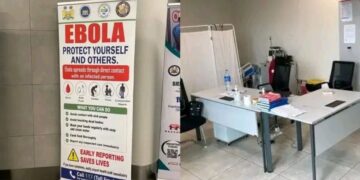
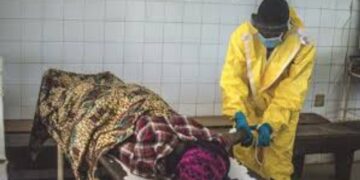
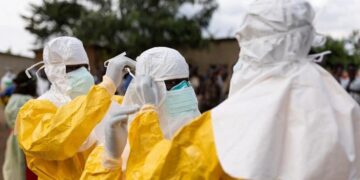
Sierra Leone continues to grapple with structural challenges stemming from its civil war history, the 2014–2016 Ebola outbreak, COVID-19 impacts, climate vulnerabilities (including floods and reliance on rain-fed agriculture), and global economic shocks like rising food and fuel prices. The economy depends heavily on mineral exports (iron ore, diamonds, rutile), while domestic revenue mobilization remains low.
The government has launched initiatives such as the Feed Salone program to boost agricultural productivity and food security, alongside efforts toward universal health coverage (UHC), including discussions on a national health insurance scheme integrating the Free Healthcare Initiative and Social Health Insurance. Inflation has eased from peaks above 50% in 2023 to lower levels, and modest GDP growth is projected. However, youth unemployment and underemployment remain high, and rural-urban disparities in services persist.
The IDEA report emphasizes community reliance on NGOs for basic infrastructure like water boreholes, reflecting gaps in government service delivery in remote northern and northeastern areas. It also notes some progress in health and education indicators over the past decades, though from a very low base.
Analysts stress that sustained poverty reduction will require stronger domestic revenue efforts, investment in agriculture and human capital, improved governance to reduce perceptions of patronage, and targeted interventions against harmful practices. International partners, including the UN, World Bank, and EU, continue to support these areas through aid, technical assistance, and programs focused on resilience and inclusion.
While the report highlights serious democratic and developmental deficits, it also reflects ongoing national conversations about accountability, service delivery, and building a more inclusive society in one of the world’s most challenging contexts.