
















































Sierra Leone has officially launched a nationwide vaccination campaign against Mpox, two months after declaring an outbreak of the viral disease.
The initiative aims to curb the spread of the infection, which has already claimed two lives in the country.
The vaccination campaign, spearheaded by the Ministry of Health, targets high-risk groups, including healthcare workers, security personnel, and close contacts of infected individuals. The rollout began in the Western Area, which includes the capital, Freetown, before expanding nationwide.
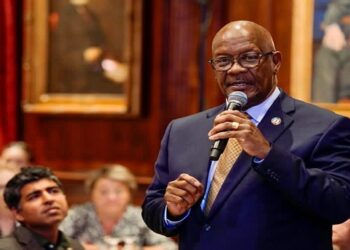
Minister of Health Dr. Austin Demby led the launch event in Freetown, describing the vaccine as a critical tool in the fight against Mpox.
“Today is a special day,” Dr. Demby remarked. “This vaccine is an important addition to our ongoing efforts, including surveillance and public sensitization.”
To demonstrate confidence in the vaccine, Dr. Demby received his shot at the event.
The campaign received 61,300 vaccine doses, procured by UNICEF with support from GAVI, the Vaccine Alliance, and the Republic of Ireland. Technical assistance came from the Africa Centers for Disease Control and Prevention (Africa CDC) and the World Health Organization (WHO). Sierra Leone is now the 14th African Union member state to introduce the Mpox vaccine.
Dr. Desmond Kangbai, Manager of the Expanded Programme on Immunization, praised the collaborative effort that made the vaccine deployment possible. However, with a national population of 8.5 million, health officials acknowledge that the available doses are limited.
“This is why we are adopting a strategic approach—targeting the most vulnerable populations to maximize impact,” Dr. Kangbai explained.
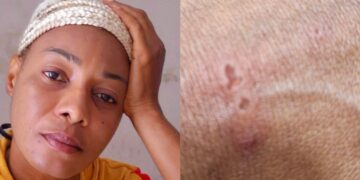
Mpox, formerly known as monkeypox, is a viral disease that causes fever, headaches, and painful skin lesions. It spreads through close contact, including sexual transmission.
Sierra Leone was the last country in the Mano River Union to report an Mpox case, confirming its first two cases in January 2025. The outbreak led to a State of Public Health Emergency, with authorities launching a nationwide case search operation in February to contain the spread.
As of March 26, the country has recorded 115 confirmed cases and two fatalities, with most infections concentrated in the Western Area.
At the continental level, Africa CDC data as of March 27 indicates 7,983 cases and 49 deaths since January 2025. A total of 23 African countries are experiencing active Mpox transmission.
Public cooperation is seen as crucial to the success of the vaccination campaign. Civil society groups, led by FOCUS 1000 CEO Mohamed Bailor Jalloh, are actively involved in raising awareness.
“Vaccination has played a critical role in combating diseases like smallpox and polio,” Jalloh noted. “This Mpox vaccine is a remarkable achievement, and we must ensure people understand its benefits.”
NPHA Executive Director Prof. Foday Sahr echoed similar sentiments, emphasizing that vaccination is just one part of the broader strategy.
“We remain committed to surveillance and other ongoing interventions to break the chain of transmission,” Prof. Sahr stated. “With the support of our partners, we will do everything possible to protect Sierra Leoneans from Mpox.”
With vaccinations underway, authorities are ramping up community engagement to encourage uptake. The campaign will initially focus on high-risk areas before expanding to other parts of the country.
As Sierra Leone battles the Mpox outbreak, health officials remain hopeful that a combination of vaccination, surveillance, and public awareness will help curb the disease’s spread.