
































FREETOWN – Sierra Leone has formally launched its 2026 Population and Housing Census, the country’s first full decennial census since 2015, in what officials describe as a critical step toward modern governance, transparent public administration, and data-driven development.
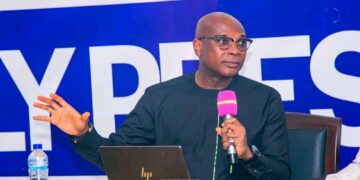
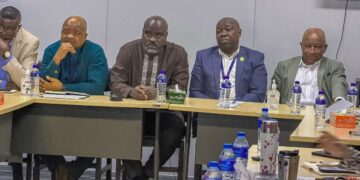
The national launch took place on Monday, December 1, 2025, at the Bintumani Conference Centre, where Chief Minister Dr. David Moinina Sengeh delivered the keynote address on behalf of President Julius Maada Bio.
He underscored the importance of collective responsibility and strong partnerships in advancing Sierra Leone’s development agenda.
Dr. Sengeh said the 2026 census reinstates the globally accepted 10-year census cycle, following the midterm enumeration carried out in 2021.
He stressed that the exercise should not be viewed through a political lens but as an essential tool for fairness, planning, and equitable service delivery.
“This census is about people, not politics. It will determine where schools, hospitals, roads, and electricity are most needed. It ensures national resources are allocated fairly across all districts,” he said.
Reaffirming the credibility of the exercise, the Chief Minister noted that the census is guided by both the Census Act and the Statistics Act, which guarantee independence, professionalism, and strict data protection. He assured citizens that no political data will be collected and that all published results will be fully anonymized.
While committing full government support, Dr. Sengeh appealed to development partners to help bridge remaining financial gaps.
He highlighted ongoing technical assistance from UNFPA and other international observers, which he said enhances the transparency and integrity of the process.
He linked the census to the country’s broader development vision: “The census is directly tied to Sierra Leone’s National Development Plan, which aims to transition the country into an inclusive, middle-income nation by 2039.”
According to the Chief Minister, data from the census will guide a wide range of national priorities including school expansion and teacher deployment, healthcare infrastructure, agricultural production mapping under the Feed Salone initiative, labor market planning, electricity and broadband expansion, road construction, and disaster preparedness.
He encouraged citizens nationwide to cooperate with enumerators, provide accurate information, and treat field workers respectfully. Civic engagement initiatives—including town halls, media outreach, and community dialogues—will accompany the process to build trust and boost public participation, he said.
The Chief Minister also called for peace, tolerance, and responsible conduct during the census period, urging citizens to reject misinformation and divisive rhetoric.
“Every Sierra Leonean counts because every Sierra Leonean matters,” he concluded.