




















































Freetown, Sierra Leone – Sierra Leone’s Parliament has enacted the Finance Act 2026 following a protracted and often heated debate that extended into the evening session on Wednesday.
The bill, passed with several amendments, introduces sweeping tax reforms aimed at boosting domestic revenue mobilization and funding the government’s development agenda.
Finance Minister Sheku Ahmed Fantamadi Bangura told lawmakers the new measures are projected to generate an additional NLe 2.5 billion in domestic revenue. Key provisions include:
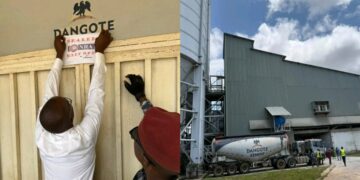
– NLe 207 billion expected from new levies in the cement sector (an additional 10 leones per bag)
– Amendments to the Customs Tariff Act of 1978, Excise Act of 1982, and Income Tax Act of 2000
– Higher taxes on tobacco products (currently among the lowest in the region)
– Adjustments to petroleum product pricing, with an exemption for cooking gas to support environmental goals
Bangura assured MPs that the reforms will improve tax efficiency, tighten enforcement, and introduce better tracking of financial institutions through enhanced GST certification processes. He also highlighted structural changes in the petroleum sector designed to increase pricing transparency.
Sharp Divisions in Parliament
The bill sparked strong reactions from both sides of the aisle.
Supporting the legislation, Hon. Francis Amara Kaisamba, Chairman of the Finance Committee, defended the modest cement levy, stating it “will not significantly burden citizens” and is necessary to fund critical infrastructure such as electricity, roads, and healthcare.
Opposition lawmakers pushed back fiercely. Hon. Aaron Aruna Koroma, Deputy Opposition Leader, described price hikes in cement and fuel as a “fundamental abuse” of citizens, warning of nationwide inflationary pressures.
Hon. Abdul Karim Kamara, Opposition Whip, called fuel a “political commodity” and urged restraint, while welcoming higher tobacco taxes but demanding sensitivity on essential goods.
Hon. Abdul Kargbo, Leader of the Opposition, attributed chronic revenue shortfalls to corruption, tax evasion, and weak enforcement, calling for tougher sanctions on non-compliant government agencies.
Government MPs countered that taxation is indispensable for national development. Hon. Saa Emerson Lamina praised the Finance Ministry’s inflation-stabilization efforts, while Majority Leader Hon. Mathew Nyuma argued that fuel pricing must be “depoliticized” and insisted the Act will resource President Bio’s “Big Five Changers” agenda.
In his closing remarks, Minister Bangura reiterated that the Act balances revenue needs with minimizing hardship on citizens. “Approval of this Bill will enable government to source revenue and render services to the people of Sierra Leone,” he said.
The Finance Act 2026 now awaits presidential assent and is expected to take effect in the 2026 fiscal year.