




























































By Communications & Outreach Unit, NPAA
The National Protected Area Authority (NPAA) has arrested 11 individuals in connection with illegal deforestation and charcoal burning within the Western Area Peninsula National Park, the Authority confirmed on last Tuesday.
The arrests were carried out by the NPAA Operations Team, led by Ranger One Ishaka Lamin Sesay, under the direct supervision of the newly appointed Executive Director, Alhaji Ahmed S. Tunis. The operation forms part of intensified enforcement measures aimed at safeguarding Sierra Leone’s protected forest reserves.
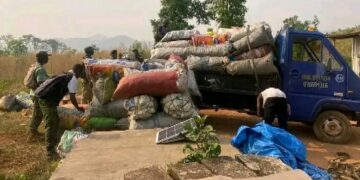
According to the NPAA, the suspects were apprehended at the park and are currently being detained at the Lumley Police Station, where they are assisting police with ongoing investigations. Several bags of illegally produced charcoal were also confiscated at the scene.
Speaking on the matter, D. L. Bangura, Esq., Law Enforcement and Compliance Manager at the NPAA, stated that the Authority is determined to pursue the case to its logical conclusion.
“The NPAA will press charges against those arrested, and the matter will be taken to court upon completion of the police investigation,” Bangura said, adding that further legal action would follow in accordance with the law.
The Authority emphasized that the arrests are part of ongoing enforcement efforts to protect the remaining forest cover within the Western Area Peninsula National Park, which serves as a critical water catchment area for Freetown and its environs.
Charcoal burning, the NPAA noted, remains one of the leading drivers of deforestation, contributing to environmental degradation, loss of biodiversity, increased risk of landslides, and long-term threats to water security and livelihoods.
Investigations into the incident are continuing, and the NPAA has called on members of the public to remain vigilant and report any suspected illegal activities within protected areas.
“Protecting our natural resources is a shared responsibility,” the Authority said, urging citizens to support conservation efforts by providing timely information that will help preserve the country’s forests for future generations.