
























































Freetown, Sierra Leone – March 6, 2026 – The Government of Sierra Leone has adjusted the pump price of petrol upward from NLe28.50 to NLe32.00 per litre, effective immediately, following a review of escalating petroleum import costs driven by international market volatility.
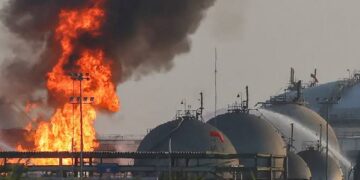
In a press release issued by the Ministry of Information and Civic Education on Friday, the government attributed the price increase to recent tensions in the Gulf region, which have disrupted key oil supply routes and introduced uncertainty into global fuel markets.
Sierra Leone, which relies entirely on imports for its petroleum products, has been particularly affected by these developments, leading to higher costs for fuel procurement.
“These developments have pushed up the cost of fuel imports in many countries, including Sierra Leone,” the release stated, highlighting the broader implications for nations dependent on foreign oil supplies.
The adjustment comes as domestic fuel prices continue to fluctuate in response to global trends. Officials emphasized that the change is necessary to reflect the rising import expenses, but assured the public that measures are in place to mitigate the impact.
Recognizing the potential burden on everyday citizens and businesses, the government said it is collaborating closely with petroleum companies to maintain manageable prices and ensure a steady supply of fuel across the country.
“Authorities are therefore working closely with petroleum companies to keep prices manageable and ensure that fuel remains available across the country,” the statement read.
The release also noted that Sierra Leone’s vulnerability to external shocks stems from its complete dependence on imported petroleum, making local prices highly sensitive to shifts in the international oil market.
Looking ahead, the government pledged to monitor the evolving global situation vigilantly and to keep the public informed of any further developments. This commitment aims to provide transparency and help stakeholders prepare for potential future adjustments.
The price hike is likely to affect transportation costs, goods pricing, and household budgets in a country where fuel expenses form a significant part of daily life.
Economists have previously warned that ongoing geopolitical tensions in oil-producing regions could lead to sustained pressure on import-dependent economies like Sierra Leone’s.
Residents in Freetown and other urban centers have already begun expressing concerns over the immediate economic fallout, with calls for subsidies or alternative energy initiatives to cushion the blow.
For more information, the public is encouraged to follow updates from the Ministry of Information and Civic Education.