
























































FREETOWN, — The Bank of Sierra Leone (BSL) has tightened monetary policy, raising its benchmark Monetary Policy Rate (MPR) by 25 basis points to 17.25 percent as it battles rising prices and a slowing economy.
The decision was taken by the Monetary Policy Committee (MPC) at its quarterly meeting on September 24, 2026, chaired by Governor Dr. Ibrahim L. Stevens, and approved by the Board of Directors on September 28.
It is the first rate hike this year and signals that the central bank is putting the fight against inflation ahead of growth support.
Why the Hike?
The MPC said headline inflation has surged from *10.24% in March to 15.66% in August 2026*, reversing the disinflation trend that brought inflation down to single digits last year.
According to the Bank, the spike is driven by three factors:
– New tax measures under the 2026 Finance Act that pushed up prices of imported goods
– Food supply shocks — poor harvests in the North-West and heavy rains affecting rice and vegetable supply
– Global oil prices which have stayed above $85 per barrel since June
“Risks to the inflation outlook remain tilted to the upside,” the MPC warned, adding that it must act to anchor expectations and protect the Leone.
Growth Slows, Trade Gap Widens
The Bank also cut its growth forecast for the year. Real GDP is now projected at 4.0% in 2026, down from 4.8% in 2025, hit by higher fuel costs, reduced electricity generation and disruptions to global shipping.
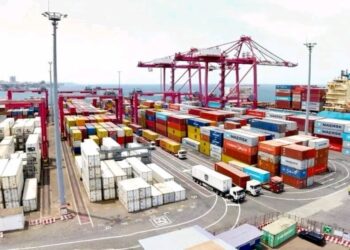
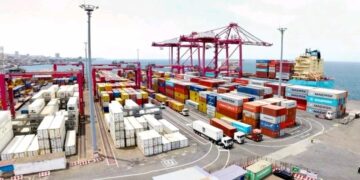
On the external front, the country’s trade deficit widened in Q2. Export earnings from iron ore and cocoa fell, while the import bill for fuel, rice and machinery rose. Gross foreign reserves increased slightly in dollar terms but cover has dropped to 1.8 months of imports, down from 2.1 months in Q1 — below the 3-months international benchmark.
On the fiscal side, the overall budget deficit expanded in Q2 as government increased capital spending on roads and energy, despite better domestic revenue collection by the NRA.
More Bank Loans, But More Bad Loans
The MPC noted that commercial bank lending to the private sector jumped by 52.2%, well above the IMF Extended Credit Facility target of 39.4%. While the Bank wants more lending, it urged that loans go to productive sectors — agriculture, manufacturing and SMEs — not just to imports and government securities.
At the same time, the banking sector is showing stress. The Non-Performing Loan (NPL) ratio rose to 10.2% in August, breaching the regulatory ceiling of 10.0% for the first time in 18 months. The MPC has directed banks to tighten credit appraisal and improve recovery.
The Bank said the financial system remains broadly stable and liquid, with total assets growing, but it will increase supervision.
What This Means for Ordinary People
A higher MPR means commercial banks are expected to raise lending rates, making loans for business, housing and personal use more expensive. Savings rates may also inch up slightly.
The Bank said it will remain vigilant and is ready to tighten further if prices keep rising. The next MPC meeting is scheduled for December 17, 2026.
The move is in line with IMF advice under the $253 million ECF programme, which calls for tight monetary policy to bring inflation back to single digits by mid-2027.