













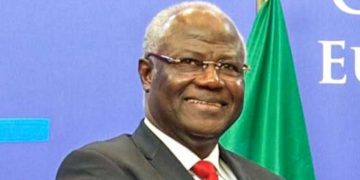
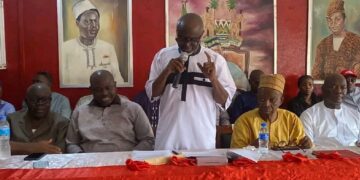
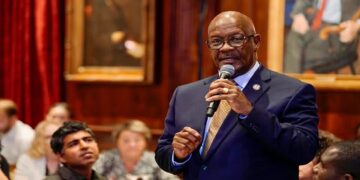






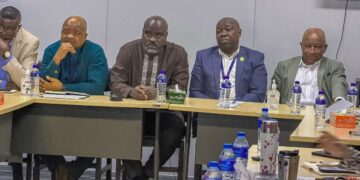















Quincy, Boston, Massachusetts – President Dr. Julius Maada Bio has renewed Sierra Leone’s call for reparatory justice for the enduring consequences of enslavement and the transatlantic slave trade, saying the lessons of the Amistad story must move beyond remembrance to responsibility, justice and reconciliation.
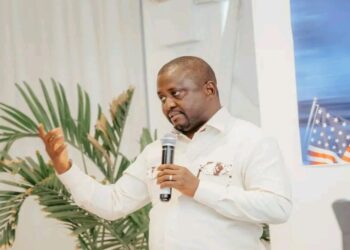
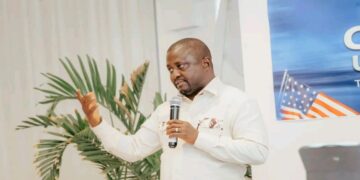
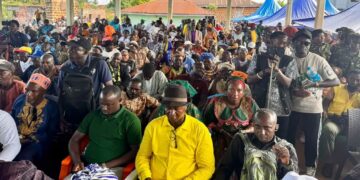
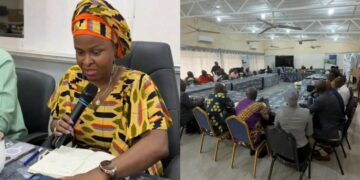
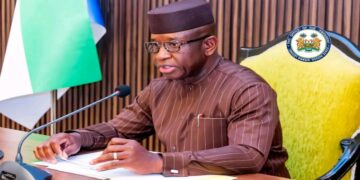
Addressing a gathering at the United First Parish Church, also known as the Church of Presidents, on the theme “Celebrating Courage: Honouring the Historic Link Between Quincy and Sierra Leone,” President Bio described the relationship between Sierra Leone and Quincy as “historical, human, and, in places such as this, deeply personal.”
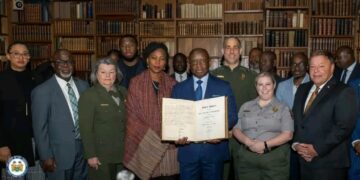
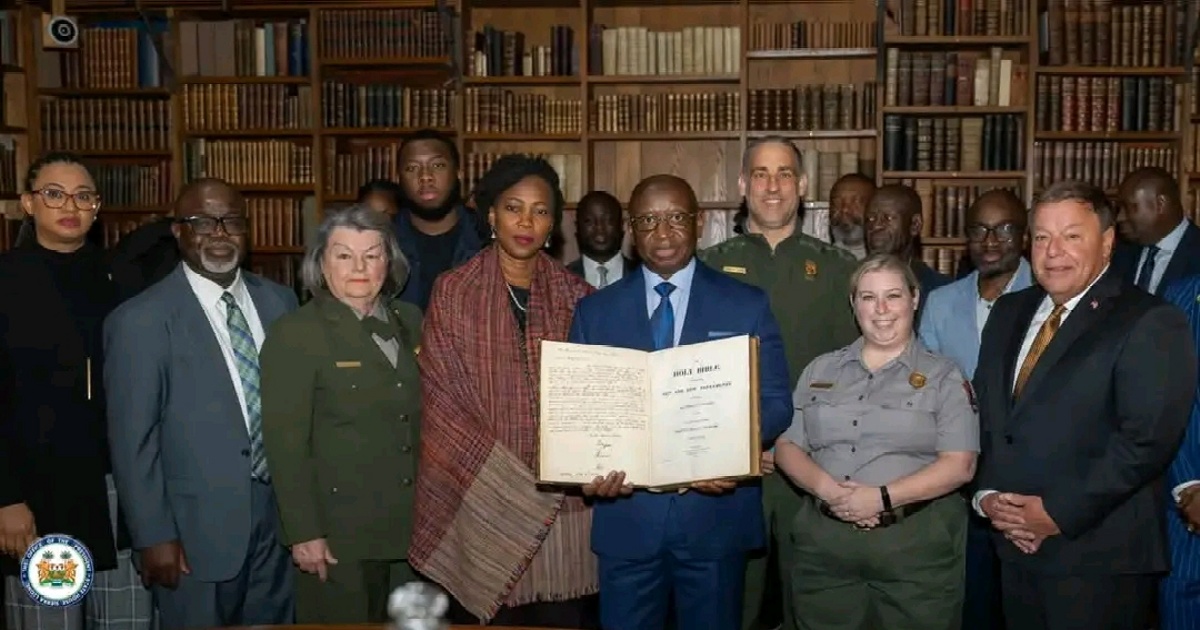
The address followed the President’s visit to the Adams National Historical Park, where he viewed the Mendi Bible preserved in the Stone Library. He described the Bible as “a witness to history, a bridge across the Atlantic, and a sacred link between generations and peoples,” and as a covenant of memory between Sierra Leone and the United States.
President Bio recalled that in 1839, Sengbe Pieh, known in the United States as Joseph Cinqué, and fellow Mende captives were forcibly taken from their homeland and enslaved aboard the Spanish schooner La Amistad. Their resistance eventually brought their case before the United States Supreme Court, where former President John Quincy Adams argued that they were free human beings who had been unlawfully captured and enslaved. In 1841, the Supreme Court affirmed their freedom.
President Bio said the story represented two expressions of courage: Sengbe Pieh’s courage to resist injustice and John Quincy Adams’ courage to confront it through law, conscience and principle.
“Nearly two hundred years ago, Sengbe Pieh came to these shores in chains. Today, the President of the Republic of Sierra Leone comes to Quincy in freedom and friendship. That is the distance history has travelled,” he declared.
The President said the passage of time must not diminish the responsibility to confront the consequences of historical injustice, reaffirming Sierra Leone’s commitment to reparatory justice.
He stressed that reparatory justice was not about reopening old wounds, but about acknowledging historical truth, honouring those who suffered, addressing enduring consequences and building a more equitable future.
“It is about memory joined with responsibility, and justice joined with reconciliation,” President Bio said.
Linking the Amistad legacy to Sierra Leone’s present, President Bio said the courage of Sengbe Pieh remained part of the country’s national character, reflected in its resilience through the eleven-year civil war, Ebola, the 2017 mudslide and COVID-19.
“Each time, we grieved. Each time, we stumbled. But each time, Sierra Leone rose again,” he said.
Drawing on his own experience during the civil conflict and Sierra Leone’s return to democratic civilian rule, President Bio said lasting progress must be built through peace, strong institutions, education, justice and respect for human dignity.
He said the challenges of today still require courage: to educate every child, confront hunger and food insecurity, expand opportunities for women and girls, protect peace and enable Africans to shape their future with dignity and agency.
“Sengbe Pieh fought for freedom. Our responsibility is to give that freedom meaning,” President Bio said, stressing that freedom must mean education for every child, opportunities for young people, equal participation for women, peaceful families and nations able to determine their futures with dignity.
Thanking the people of Quincy, the Adams National Historical Park and the United First Parish Church for preserving the historic connection, President Bio said the Amistad story carried a timeless lesson: “courage can cross oceans.”
He called for the historic bond between Quincy and Sierra Leone to grow stronger around truth, justice, freedom, friendship and shared humanity.
“History must not merely be remembered, it must instruct us,” he said.