
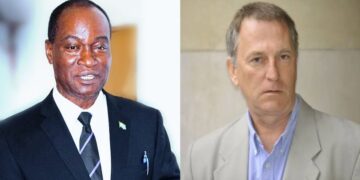











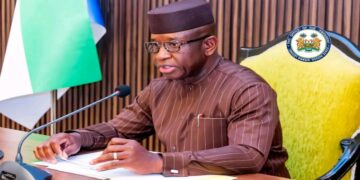














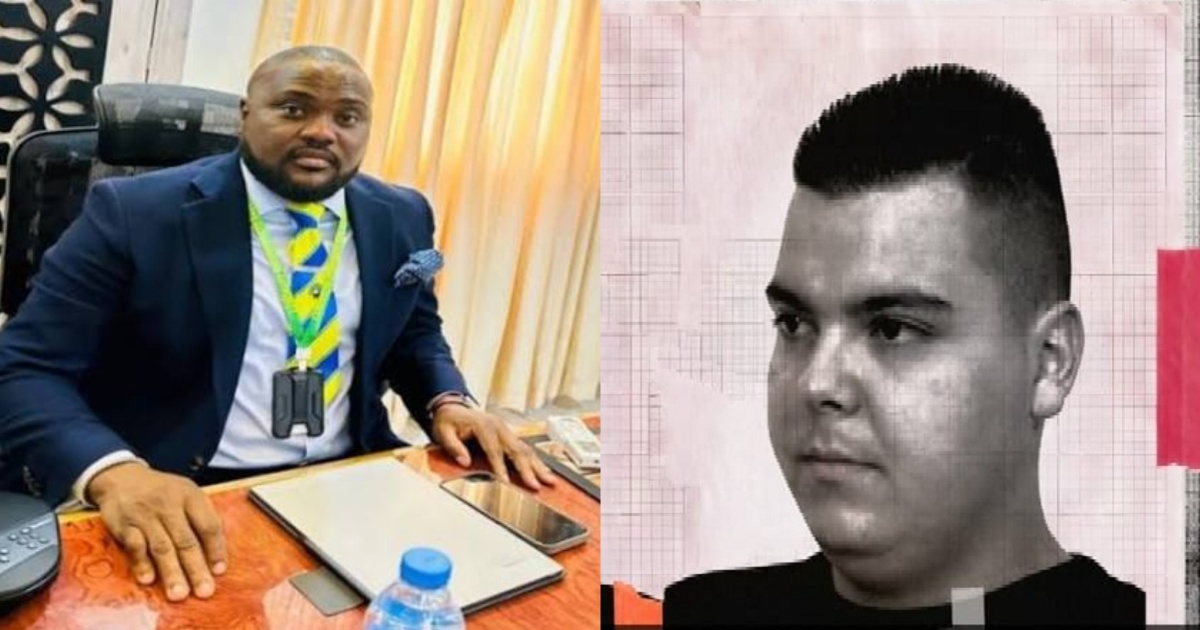
FREETOWN, 24th September 2026 – The Director-General of the Sierra Leone Ports and Harbours Authority, Yankuba Askia Bio, has responded to explosive claims made in The Economist’s investigation into wanted Dutch drug trafficker Jos Leijdekkers, denying any wrongdoing at the Queen Elizabeth II Quay.
The investigation, published last week by The Economist’s 1843 Magazine under the headline “How Jos Leijdekkers Turned Sierra Leone Into A Drug-Dealer’s Paradise,” alleges that Leijdekkers – known as “Bolle Jos” – has turned Sierra Leone into a hub for billions of dollars worth of Colombian cocaine en route to Europe since arriving in late 2022.
The report, which has sparked international debate, claims the 35-year-old fugitive – wanted in the Netherlands and Belgium where he has been sentenced to a combined 34 years for cocaine trafficking – now operates with a Sierra Leonean diplomatic passport, presidential guard escorts, and influence over state institutions. It further alleges that his network disguises cocaine as rice and plantain chips shipped through Freetown.
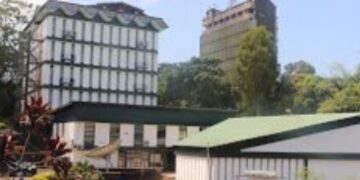
The Economist linked the port to the trade, alleging that in late 2022 containers were allowed to bypass standard scanning procedures before being hauled away at night. The magazine said that claim came from a source it met in a bar in Freetown.
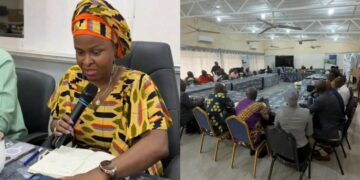
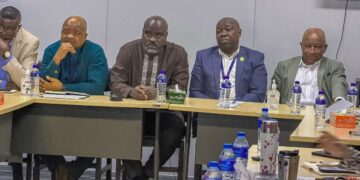
At a press briefing on Tuesday, DG Bio described the port-related claims as “completely false and malicious.”
“I was not in office in 2022. I took up office in October 2023,” Bio said, a timeline confirmed by parliamentary records showing he was approved on 24th October 2023.
Bio said 24-hour operations – portrayed in the report as suspicious – only started in 2026 due to a surge in cargo traffic. The port now handles around 8,670 containers monthly, with import volumes rising from 68,227 TEUs in 2023 to 82,609 TEUs in 2025.
He also clarified that SLPHA operates a landlord model since 2011, when container operations were concessioned to Bolloré, now Freetown Terminal Limited.
He said scanning is not done by SLPHA but by Integrated Trade Services (ITS), while cargo tracking, bulk handling and haulage are handled by other private operators including LSS, NSBT and the Indigenous Transport Owners Association.
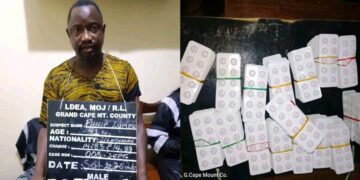
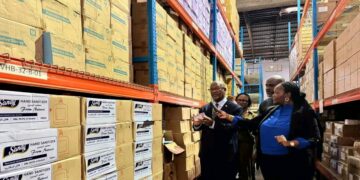
On drug enforcement, Bio said no cocaine has ever been found within the port facility, but disclosed that over 1,400 cartons of tramadol and counterfeit drugs have been seized since January 2026.
The Economist’s investigation also referenced several major international seizures linked to Sierra Leone: an 8.4-tonne seizure at Antwerp in October 2023 valued at $635 million now on trial in Belgium, and a 40-tonne seizure in Spanish waters in May from a vessel that departed Freetown.
While State House is yet to officially respond to The Economist’s wider allegations about Leijdekkers’ alleged ties to the presidency, DG Bio said it was important to set the record straight on port operations and urged international journalists to seek official comment before publishing.