



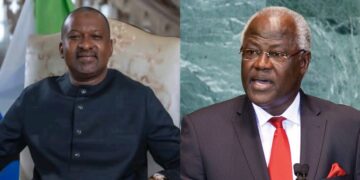
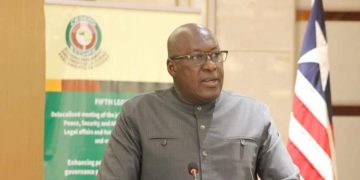











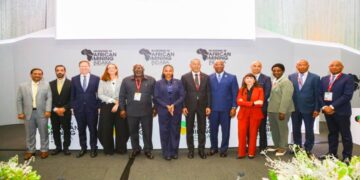



































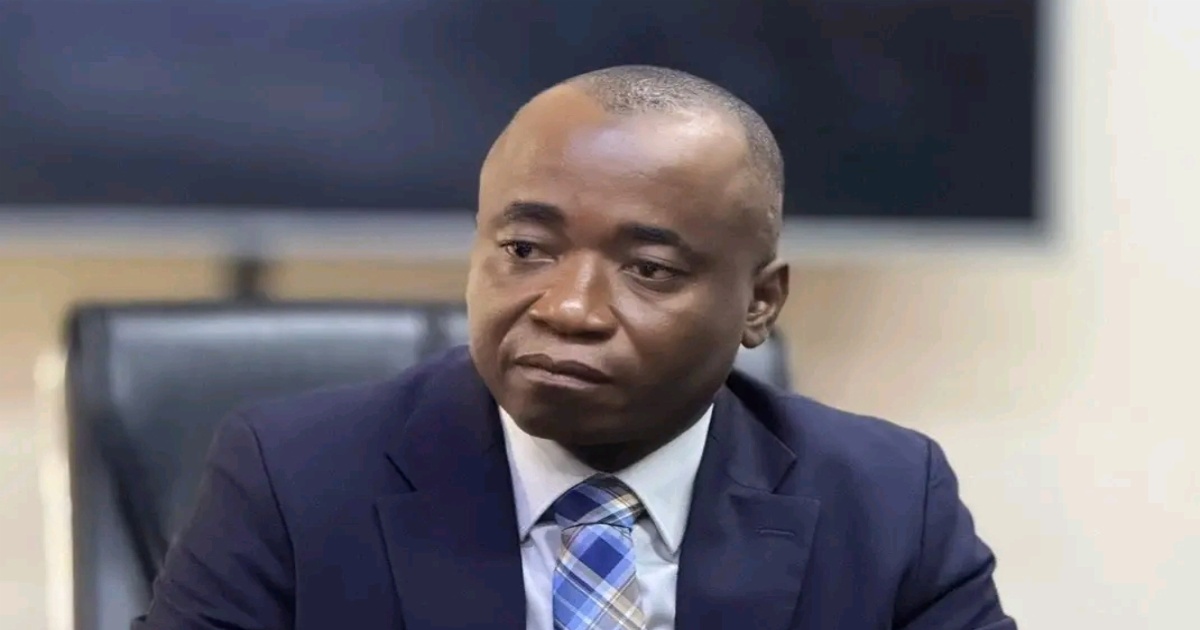
Sierra Leone has scored a major diplomatic and sporting boost after Babadi Kamara, President of the Sierra Leone Football Association (SLFA), was elected First Vice President of the West African Football Union Zone A (WAFU A).
The election took place on Sunday, 6 September 2026, during the 15th WAFU A Elective General Assembly (also called the Ordinary General Assembly) held in Banjul, The Gambia. Football leaders and representatives from the nine member associations across the sub-region gathered to choose a new leadership team for the regional body.
Cape Verde’s Mario Semedo was elected President of WAFU A. Sierra Leone’s Babadi Kamara secured the position of First Vice President, while Mali’s Mahazou Baba Cisset was elected as the other Vice President.
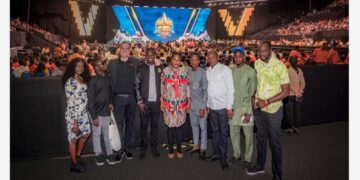
Kamara attended the congress alongside SLFA General Secretary Ing. Mohamed Benson Bawoh. Sierra Leone was further represented by Angela Constance Gabbidon, Secretary of the SLFA Women’s League Board and a member of the WAFU A Disciplinary Committee.
The SLFA described the outcome as a significant milestone for the country’s standing in regional football administration. In a statement, the association said the election “shows the confidence placed in his leadership and his contribution to the development of football in the sub-region.”
In his new role, Kamara is expected to work closely with the newly elected WAFU A leadership and fellow member associations to drive football development, strengthen cooperation across the zone, improve competitions, and tackle key administrative challenges facing the game in West Africa.
The elevation gives Sierra Leone a stronger voice in shaping the direction of football within WAFU A, which covers Cape Verde, The Gambia, Guinea, Guinea-Bissau, Liberia, Mali, Mauritania, Senegal and Sierra Leone.
Kamara, a business mogul and football philanthropist, was elected SLFA President in August 2025. His rapid rise to a key regional leadership position less than 14 months later underscores growing recognition of Sierra Leone’s contributions and potential in West African football governance.