
































































The Anti-Corruption Commission (ACC) has held talks with the Budget Advocacy Network (BAN) over concerns about how revenue from the 5% rice import duty is being managed and whether it is properly supporting the Agricultural Development Fund (ADF).
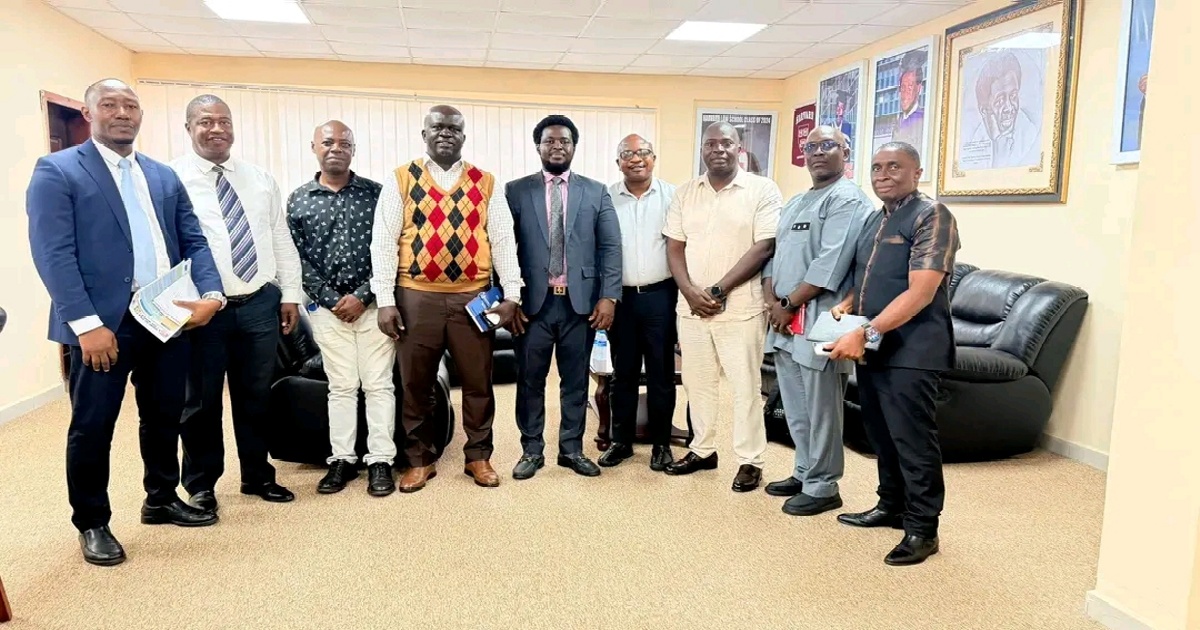
The engagement took place on 31 August 2026 at Integrity House, Tower Hill, Freetown.
ACC Commissioner Francis Ben Kaifala Esq. said the Commission takes seriously the issues raised in BAN’s report and pledged to work with the civil society group to establish what has happened and make appropriate recommendations.
Commissioner Kaifala proposed a two-pronged approach: BAN, as a civil society organisation, will put forward its recommendations, while the ACC conducts its own independent checks, prepares a report, and shares its findings and recommendations with the Minister of Finance.
BAN Coordinator Abu Bakarr Kamara welcomed the ACC’s openness to engagement with civil society.
He explained that BAN’s advocacy aims to ensure women benefit meaningfully from taxation and agricultural investments. The network is pushing for at least 30% of relevant ADF resources to go directly to women farmers.
The 5% import duty on rice was reintroduced under the 2024 Finance Act. Government officials said the revenue would be ring-fenced for the ADF to support the Feed Salone programme, boost local rice production, and reduce dependence on imports.
However, a recent policy brief by BAN and the 50/50 Group (supported by Christian Aid) found that the duty generated Le365.2 million between 2024 and 2025, yet only about Le31.9 million — roughly 9% — was transferred to the ADF. The report argued that this shortfall limited the intended benefits, particularly for women farmers who form the backbone of Sierra Leone’s agricultural labour force and often bear the greatest burden when rice prices rise.
BAN has previously called for greater transparency, including quarterly public reporting on collections and transfers.
The group maintains that stronger accountability, full and timely transfers to the ADF, and deliberate targeting of women farmers would help the policy deliver on food security and inclusive growth.
The ACC engagement forms part of the Commission’s wider efforts to strengthen transparency, accountability, and traceability in the management of public resources.