



























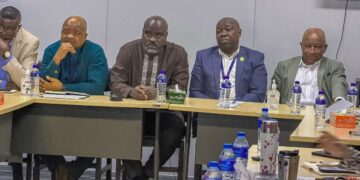






















Hamburg, Germany — Sierra Leone’s Vice President Dr. Mohamed Juldeh Jalloh has called for a sweeping reform of the global financial architecture, proposing a new “Global South Shock Absorption Facility” to protect vulnerable economies from cascading crises triggered by geopolitical tensions and supply chain breakdowns.
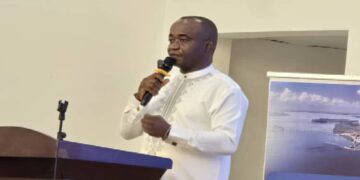
Speaking on Monday at the Hamburg Sustainability Conference 2026, Jalloh told a high-level panel titled “Navigating the Hormuz Crisis: Forging a Collective Response” that current international financing tools are outdated, slow, and ill-equipped to help developing nations weather sudden external shocks.
“Existing mechanisms arrive too late and with too many conditions,” Jalloh said, addressing senior policymakers, development finance officials, and leaders from global institutions. He warned that conflicts and disruptions hitting global energy markets quickly ripple into devastating consequences for the world’s poorest countries.
“For the Global South, an oil shock is never just an oil shock,” he emphasised. “It becomes a food shock, a fiscal shock, and ultimately a human development shock.” Rising costs for fuel, fertiliser, food, and transport, he noted, rapidly drain national budgets and reverse years of hard-won progress across Africa and beyond.
Jalloh urged the international community to move away from reactive bailouts toward proactive resilience-building. He called for stronger food and energy security measures alongside innovative financing tools — such as pre-arranged rapid-response facilities — that would kick in before shocks spiral into full-blown humanitarian and economic emergencies.
“We must shift from financing recovery after crises to financing resilience before they occur,” the Vice President declared. “Resilient financing should be a central pillar of sustainable development.”
His proposal comes amid growing frustration in the Global South over what many see as an inequitable international system that leaves developing nations exposed to forces beyond their control.
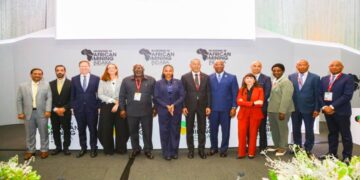
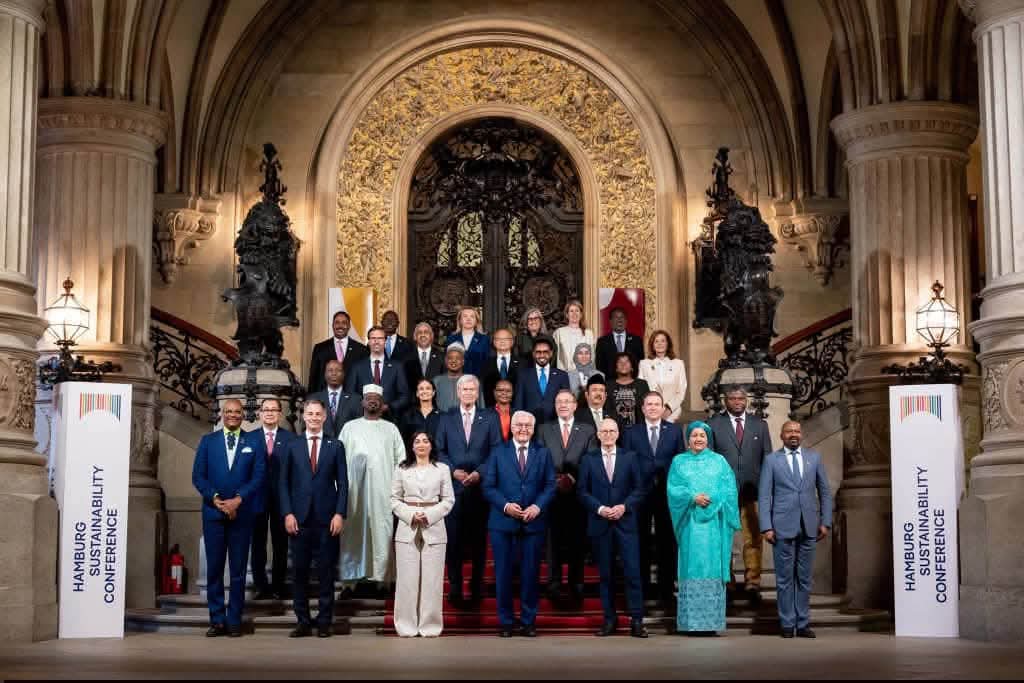
The remarks were delivered alongside prominent global figures, including United Nations Deputy Secretary-General Amina J. Mohammed, Germany’s Federal Minister for Economic Cooperation and Development Reem Alabali-Radovan, UNDP Administrator Alexander De Croo, UK Minister of State for International Development and Africa Baroness Jennifer Chapman, and African Development Bank President Dr. Sidi Ould Tah.
The call reflects a broader push by African leaders for a more responsive and fair global financial order capable of shielding low-income economies from the increasingly frequent and interconnected shocks of the 21st century.