














































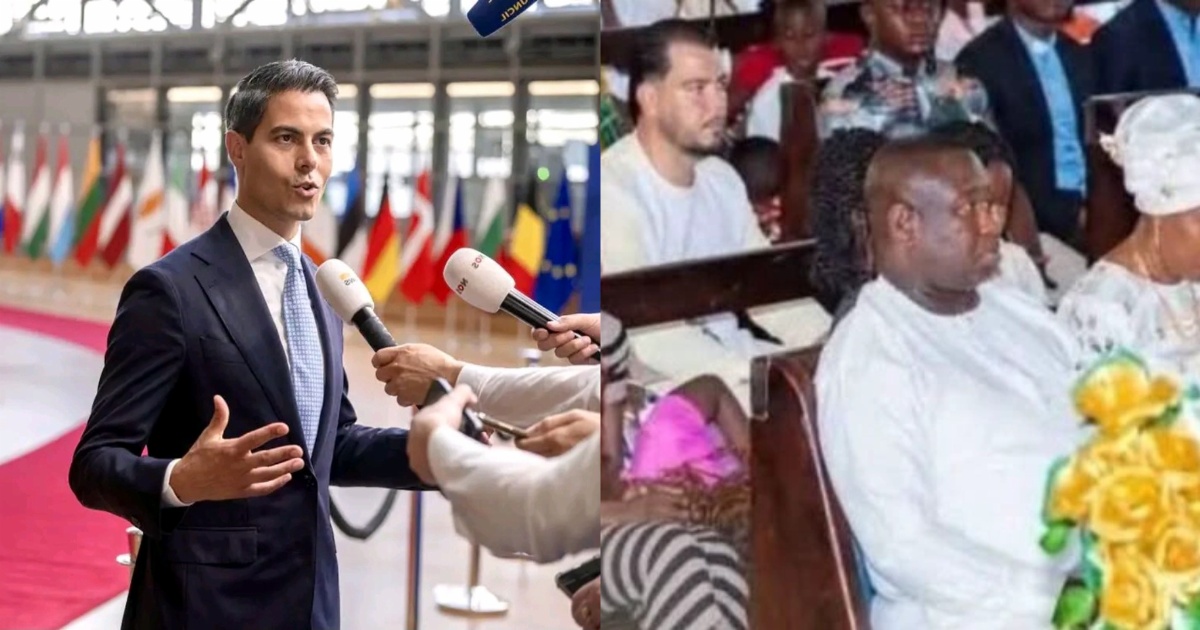
Brussels/The Hague – Dutch Prime Minister Rob Jetten has expressed strong satisfaction with a new EU agreement to bolster coordinated efforts against illegal drug trafficking, including a firmer approach toward countries that harbor fugitives.
The pact, discussed at a recent EU summit, marks the first time EU leaders have addressed the continent’s drug challenges at the highest level amid a booming €31 billion illicit market linked to organized crime, violence, and public health crises.
The Netherlands played a key role in advocating for tougher measures, particularly targeting nations like Sierra Leone that have sheltered convicted drug offenders. At the center of the dispute is Jos Leijdekkers, widely known as “Bolle Jos,” one of Europe’s most wanted drug traffickers.
Leijdekkers, born in 1991 in Breda, Netherlands, has been sentenced in absentia to 24 years in prison in the Netherlands for large-scale cocaine trafficking (involving tens of thousands of kilograms), armed robbery, and ordering murders. Belgium has separately sentenced him to 13 years for a failed €250 million cocaine heist.
Despite repeated Dutch diplomatic requests and formal extradition demands since early 2025, Sierra Leone has not handed him over. Reports indicate Leijdekkers enjoys high-level protection in the West African nation, with longstanding ties to the political and economic elite, including an alleged romantic relationship with the daughter of President Julius Maada Bio, which some observers suggest complicates any extradition.
Prime Minister Jetten emphasized that reducing development aid, ideally through a unified EU front, could exert significant pressure, given Sierra Leone’s heavy reliance on foreign assistance.
The Dutch government is actively considering unilateral aid cuts and is urging partners to join in disrupting international drug networks. Justice Minister David van Weel has been vocal in diplomatic engagements, confirming formal requests to Sierra Leonean authorities and stressing the need for urgency after more than a year of stalled progress.
The EU summit conclusions highlight a “coherent approach towards third countries that harbour drug traffickers,” alongside calls for enhanced port security, a new sanctions regime against transnational criminal groups, and implementation of the EU Drugs Strategy 2026–2030.
Background and Escalating Tensions
Leijdekkers has reportedly operated from Sierra Leone while maintaining involvement in regional drug flows, including links to major seizures elsewhere in West Africa. Dutch special forces came close to capturing him twice in covert operations off the Sierra Leone coast in May 2026, with plans involving marines and police units approved by Jetten’s cabinet (after an earlier government had declined). Both attempts were aborted at the last minute due to operational factors.
Local journalists in Sierra Leone investigating the case have faced intimidation, bribery attempts, and threats, highlighting the sensitivity of the issue domestically.
Jetten acknowledged that it remains uncertain whether the new EU agreements will immediately advance Leijdekkers’ extradition but stressed that the Netherlands “will use all available means” to bring serious fugitives to justice. A €200,000 reward remains outstanding for information leading to his arrest.
The developments underscore broader European frustration with drug trafficking routes through West Africa and the challenges of international cooperation when political protections are involved. Sierra Leonean officials have cited the absence of a formal extradition treaty and the need for judicial review, while denying undue influence.
As the EU ramps up its anti-drug efforts, the case of “Bolle Jos” serves as a high-profile test of the bloc’s willingness to wield economic and diplomatic tools against non-cooperative third countries.