









































Freetown — The International Monetary Fund (IMF) has advised the Sierra Leone government to strictly control its spending in foreign currencies (FX) to protect the gains we have made in stabilizing the economy. This comes even as the country continues to make progress under its IMF-supported reform programme.
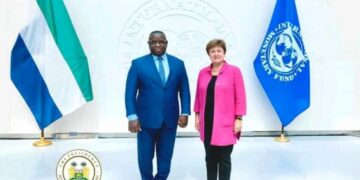
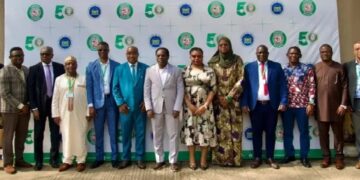
Following an IMF mission to Freetown from April 20 to May 1, 2026, led by Christian Saborowski, the Fund reached a staff-level agreement on the third review of Sierra Leone’s Extended Credit Facility (ECF) and a new arrangement under the Resilience and Sustainability Facility (RSF). The IMF Executive Board is expected to approve both in the coming weeks.
What This Means for Sierra Leoneans
Many Sierra Leoneans have felt the benefits of recent improvements: a more stable Leone exchange rate, better tax collection, and a domestic primary surplus of 1.3 percent of GDP in 2025. These gains have helped reduce some of the extreme price pressures we saw in previous years.
However, the IMF has warned that rising government spending and weaker revenue collection in early 2026 could reverse these hard-won achievements.
“Progress in building up our reserves must continue, while the government’s FX spending needs to be further reduced,” said Mr. Saborowski. He pointed to challenges like high global energy prices and the effects of conflicts in the Middle East.
Inflation, which had dropped to around 8 percent earlier this year, is now expected to rise to 11.6 percent by the end of 2026 before coming down again in 2027. This could mean higher prices for everyday items like rice, fuel, and other goods that many families rely on. The Bank of Sierra Leone’s monetary policy is seen as mostly appropriate, but more tightening might be needed if prices keep rising.
Economic growth, which picked up in 2025, is projected to slow to 4 percent in 2026 before recovering to about 4.5 percent in the coming years. The IMF also raised concerns about risks in the banking sector and the need for stronger oversight.
Government Commitment and Next Steps
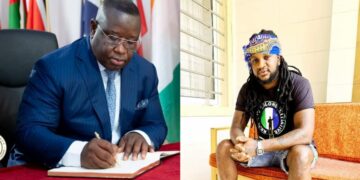
The mission met with President Julius Maada Bio, Finance Minister Sheku Ahmed Fantamadi Bangura, Bank of Sierra Leone Governor Ibrahim Stevens, and other key stakeholders. President Bio has repeatedly reaffirmed his government’s commitment to these reforms to unlock more support and build a stronger economy for all Sierra Leoneans.
The proposed RSF arrangement will help fund climate-resilient projects — very important for our agriculture-dependent country that faces floods, droughts, and other climate challenges. It is expected to catalyse additional financing for sustainable development.
Why This Matters to You
For ordinary Sierra Leoneans, continued fiscal discipline means:
– Efforts to keep the Leone stable and protect the value of your money
– Better chances to control inflation and ease the cost of living
– More opportunities for jobs and growth in sectors like agriculture (Feed Salone), mining, services, and small businesses
– Stronger reserves to handle future shocks
The government is being urged to focus on increasing domestic revenue, managing debt wisely, cutting unnecessary FX spending, and protecting essential services. Successful completion of these reviews will bring more disbursements under the ECF and RSF, helping to support the national budget and attract investors.
Sierra Leone has come a long way from the difficult years of high inflation and economic instability. With strong leadership and public support for these reforms, the country can build on this progress for a more stable and prosperous future for all citizens.