










































The High Court of Sierra Leone has commenced proceedings in the appeal case filed by Zainab Sheriff, who is seeking to overturn her conviction and prison sentence imposed earlier this year by Magistrate Mustapha Brima Jah of Magistrate Court No. 1.
Sheriff was sentenced to four years and two months in prison after being convicted of incitement and the use of threatening language contrary to Section 3(2) of the Public Order Act of 1965.
During proceedings before Justice Mark Ngegba at High Court No. 8, the prosecution raised a preliminary objection challenging the validity of the appeal.
Lead Prosecutor Ibrahim Tholley argued that the defence had failed to comply with the requirements of the Appeal Rules.
He contended that the appeal documents did not sufficiently outline or explain the judgment being challenged and urged the court to invoke Rule 8 of the Appeal Rules to strike out the application.
Responding on behalf of the appellant, defence lawyer R. S. Wright maintained that the prosecution’s objection was premature. Wright argued that Rule 8 serves as procedural guidance and should not be interpreted as requiring absolute compliance with every statutory provision.
He further submitted that the question of whether an appeal is properly before the court is a matter for judicial determination rather than prosecutorial interpretation.
After hearing arguments from both sides, Justice Ngegba adjourned the matter to 18 June 2026. The court is expected to rule on that date on whether the appeal will proceed to substantive hearing or be dismissed at the preliminary stage.
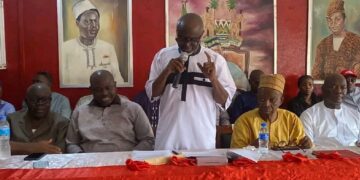
Sheriff’s conviction arose from comments allegedly made during a political rally in January. Prosecutors relied on video evidence which they said captured her describing election rigging as “treason” and stating that those responsible, along with their families, should be killed.
The trial court subsequently found the remarks amounted to incitement and threatening language under the law.
The case has attracted widespread public interest across Sierra Leone, with legal observers and civil society groups closely monitoring the proceedings due to their potential implications for freedom of expression, political discourse, and the interpretation of public order legislation in the country.