













































The National Public Health Agency (NPHA), working alongside the Ministry of Health, has concluded a high-level stakeholders’ meeting focused on Sierra Leone’s readiness to respond to potential Ebola-related threats emerging from ongoing outbreaks in the Democratic Republic of Congo (DRC) and Uganda.
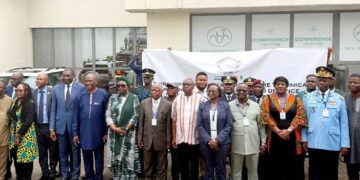
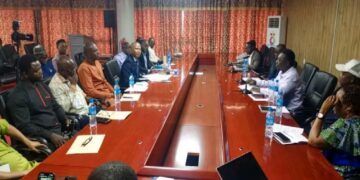
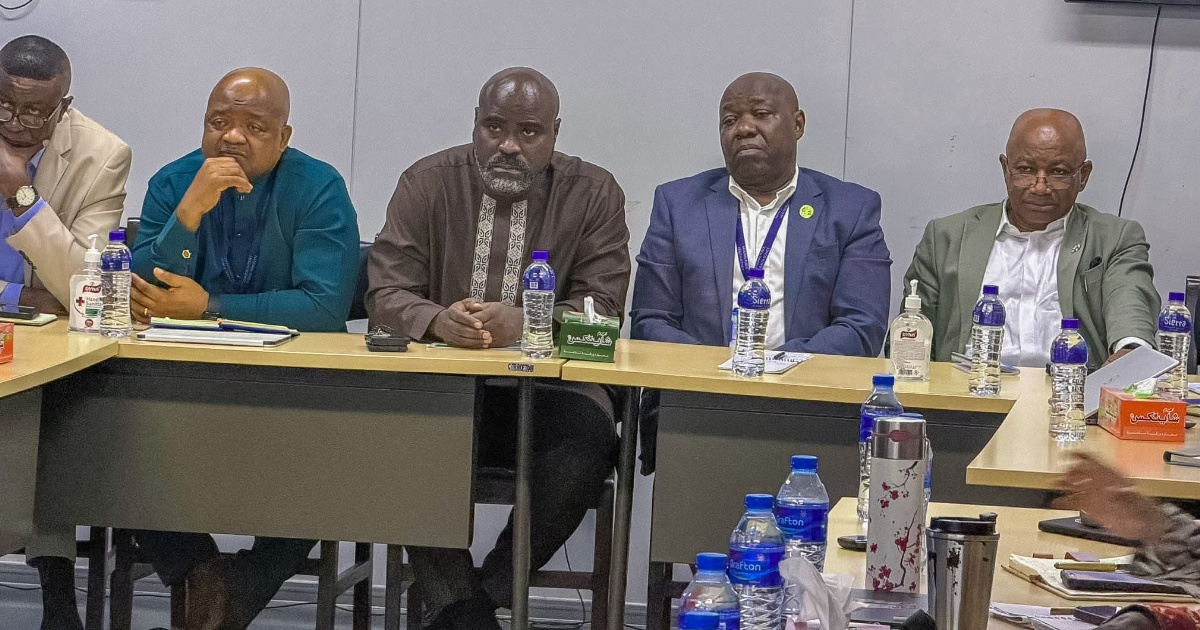
The engagement, held on 25 May 2026, brought together senior government representatives, epidemiologists, surveillance experts, development partners, and public health professionals to assess the country’s preparedness capacity and identify critical areas requiring urgent attention.
During the meeting, Dr. James Squire presented an overview of the current Ebola Bundibugyo Virus Disease (BVD) situation in the region and outlined Sierra Leone’s level of preparedness against any possible imported infections or local transmission.
According to Dr. Squire, figures recorded as of 22 May 2026 showed that the DRC had registered 746 suspected cases, including 83 confirmed infections, alongside 176 suspected deaths and nine confirmed fatalities. Uganda, he noted, had confirmed five cases and one death in Kampala.
He warned that projections suggest the outbreak in the DRC could escalate to as many as 3,600 suspected cases within 100 days if existing response gaps remain unresolved.
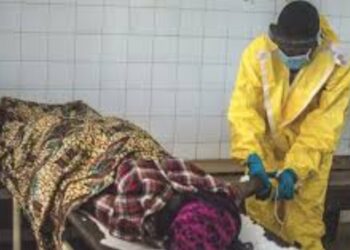
Dr. Squire identified several major obstacles affecting response efforts in the affected countries, including delays in case detection, the absence of approved vaccines and treatments for the Bundibugyo strain, insecurity in outbreak zones, intense cross-border movement, fragile healthcare systems, and the spread of misinformation among communities.
The presentation also revealed that Sierra Leone’s overall national readiness currently stands at 51 percent, below the World Health Organization’s recommended benchmark of 80 percent.
Despite the shortfall, the country recorded stronger performance in laboratory preparedness at 84 percent, surveillance systems at 68 percent, and points of entry readiness at 63 percent. However, challenges remain in infection prevention and control, logistics, risk communication, and safe burial management.
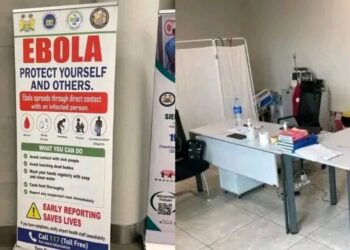
Officials highlighted several measures already implemented to strengthen preparedness, including the activation of the Public Health Emergency Operations Center, revised surveillance protocols, deployment of ambulance services at the Freetown International Airport, identification of isolation facilities, and intensified nationwide awareness campaigns.
Participants also reaffirmed the government’s “4-Ones” coordination strategy — One Team, One Plan, One Budget, and One Monitoring and Evaluation System — aimed at improving coordination and efficiency during public health emergencies.
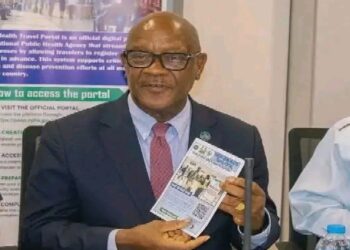
As part of the engagement, Mr. Michael Kamara demonstrated the Point of Entry Travel Portal, a digital platform designed to improve border health monitoring, enhance traveler screening processes, and strengthen disease surveillance at entry points across the country.
Closing the session, Prof. Foday Sahr emphasized the importance of sustained collaboration and accountability among stakeholders, stressing the need for consistent implementation of preparedness measures to build a more resilient health system.
Dr. Mustapha Kabbah also underscored the value of early preparedness and rapid response, describing regular training exercises, simulations, and emergency drills as essential components of outbreak prevention and response.
The meeting concluded with renewed commitments from stakeholders to strengthen Sierra Leone’s capacity to prevent, detect, and respond effectively to emerging public health threats.
Participants ended the engagement with a shared message highlighting the urgency of preparedness efforts: “Preparedness today is the shield that protects tomorrow’s lives.”