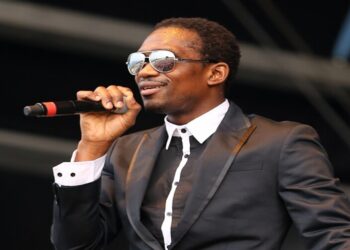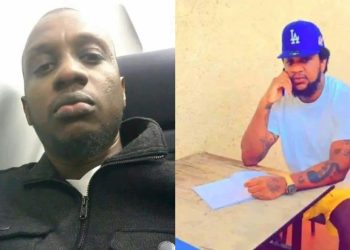























































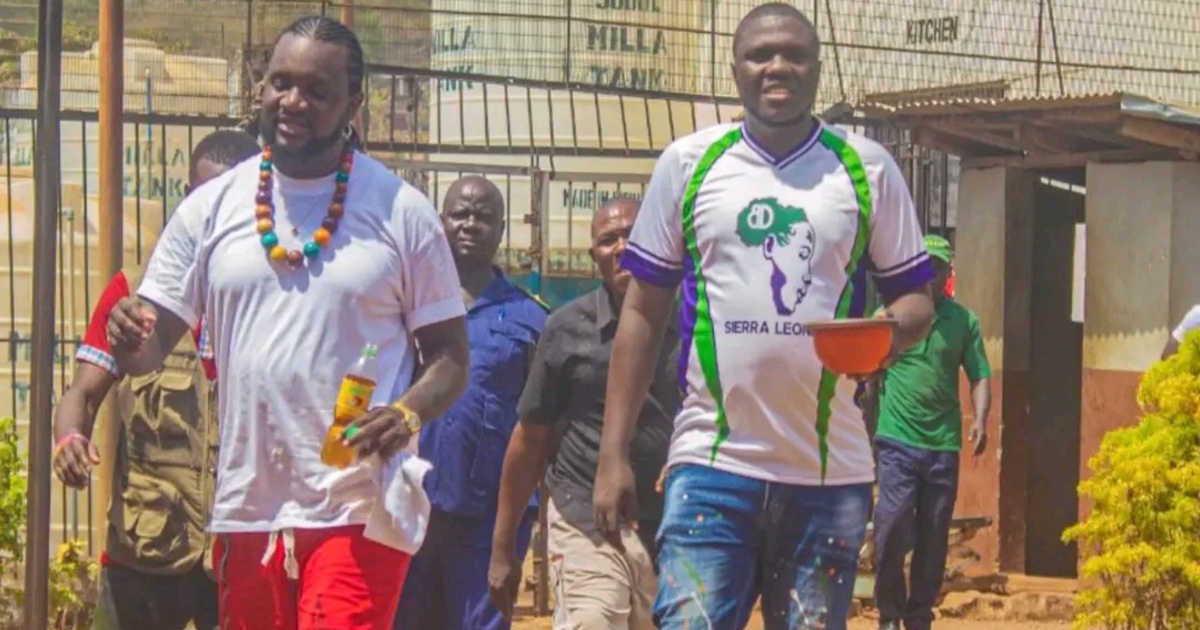
FREETOWN, SIERRA LEONE — A high-profile court case involving popular rapper Alhaji Amadu Bah (King Boss La) and entertainment promoter Ibrahim Koroma has been formally closed and discharged following an out-of-court resolution.
The development comes after the complainant, Thomas Karimu Baio, confirmed he is satisfied that his dignity and respect have been restored.
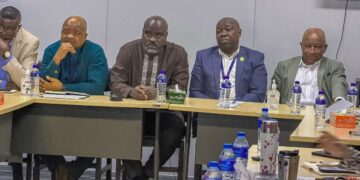
According to sources familiar with the settlement, the resolution followed a meeting held in Kenema on Monday, where King Boss La joined six other stakeholders to issue a formal apology, paving the way for an amicable settlement.
Background to the Case
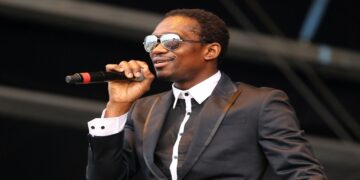
The matter stemmed from a March 21, 2026 incident in Bo, where King Boss La allegedly made derogatory remarks about Mayor Baio during a live performance. The comments, which were captured on video and circulated widely on social media, led to charges under the Cyber Security and Crime Act, 2021, including cyberbullying and insulting conduct.
Both King Boss La and Prezo Koroma were arrested and remanded at the Bo Male Correctional Centre, with the case drawing significant public attention nationwide.
During earlier court proceedings, the accused publicly apologized, with King Boss La notably kneeling in court as a gesture of remorse. However, the presiding magistrate initially ruled that the apology alone could not terminate what was considered a criminal matter, insisting that due legal process be followed.
Path to Resolution
Subsequent mediation efforts involving community stakeholders, entertainment figures, and local authorities in Kenema sought to de-escalate tensions. The mayor had previously indicated that he was not seeking financial compensation but rather genuine accountability and respect.
The latest meeting and formal apology appear to have satisfied those conditions, ultimately leading to the withdrawal of the complaint and the closure of the case.
Wider Impact
The case sparked national debate over freedom of expression, the responsibilities of public figures, and the application of cybercrime laws in Sierra Leone’s entertainment industry.
With the matter now resolved, attention is expected to shift toward reconciliation efforts and the broader implications for artists and public discourse in the country.