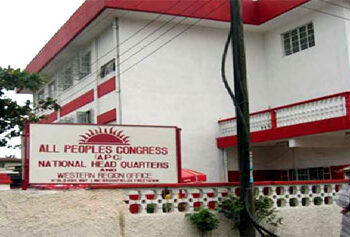












































Freetown, Sierra Leone – February 22, 2026 – The All People’s Congress (APC), Sierra Leone’s main opposition party, successfully conducted its lower-level internal elections on Saturday, February 21, despite prior delays and simmering internal divisions.
The Internal Elections Management Committee (IEMC) released a preliminary statement confirming the polls’ overall peaceful nature, while acknowledging minor challenges and isolated incidents of unrest.
The elections filled 4,014 positions across 446 wards in the country’s 17 administrative districts, adhering to the APC’s constitution and approved guidelines. Trained officials and materials were deployed nationwide, with voting starting between 9:00 a.m. and noon in most centers. Conducted via secret ballot, the process was described as transparent, with open counting at polling stations.
The IEMC emphasized that only its certified results are official, urging members to ignore unofficial tallies on social media.
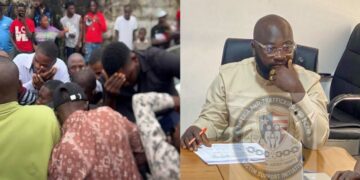
However, the polls were not without hurdles. Logistical issues in remote areas caused slight delays, and isolated incidents were reported in a few wards. Notably, elections in Aberdeen, within Constituency 131 in Freetown’s Western Area, were suspended following reports of violence, according to local media outlets.
The IEMC stated that all complaints would be handled through the party’s dispute resolution mechanisms, with reruns scheduled where needed.
This electoral exercise comes amid broader internal challenges for the APC. The ward elections were originally delayed, with the new date announced just a week prior on February 14, following consultations between party leadership and the IEMC. The postponement was attributed to logistical preparations, including personnel training, but it sparked controversy.
Senior party figure Alfred Peter Conteh publicly questioned the leadership’s legitimacy and readiness, highlighting ongoing rifts and financial struggles within the party. Acting National Chairman Amb. Osman Foday Yansaneh defended the move, stressing the need for a well-organized process.
The elections represent a significant milestone in the APC’s efforts to strengthen internal democracy, as noted by presidential aspirant Abdul Karim Timbo. In a social media reflection, Timbo linked the grassroots voting to a 2002 Supreme Court ruling by his late father, former Chief Justice Dr. Abdulai Timbo, which mandated democratic processes in party selections. This ruling, upheld in the APC’s 2022 constitutional reforms, ended previous practices of appointments and consensus, paving the way for the current bottom-up elections. Timbo described the polls as the culmination of two decades of reform, essential for rebuilding the party’s structure ahead of future national contests.
The APC, which governed Sierra Leone from 2007 to 2018 under President Ernest Bai Koroma, has been in opposition since losing the 2018 and 2023 general elections to the Sierra Leone People’s Party (SLPP). The party faced a boycott of parliament post-2023 amid allegations of electoral irregularities but rejoined in late 2023 following mediation. These internal elections are seen as a critical step in reorganizing and unifying the APC for potential 2028 polls.
The IEMC expressed gratitude to party stakeholders, the Sierra Leone Police, and media for their support, calling the event a testament to the APC’s commitment to democratic principles.
Final certified results are expected soon, with the party now gearing up for higher-level internal contests.