

































Sierra Leone, a nation blessed with natural beauty and a resilient spirit, is grappling with a formidable adversary that hampers its progress – an electricity crisis.
The insufficient and unreliable power supply has become a significant impediment to economic development, education, healthcare, and overall societal well-being. Also, the recent reports of the country’s steep economic dip, high inflation and rolling blackouts, suggest the era of inconsistent electricity between 2018 and 2023.
The Darkness Looms
At the heart of this issue is Sierra Leone’s struggling energy infrastructure. Frequent power outages plague urban and rural areas alike, casting a literal and metaphorical shadow over the nation. The unreliable electricity supply has given rise to a multitude of challenges, hindering the daily lives of citizens and thwarting the growth of businesses.
Investment and Tourism
The current energy paralysis is particularly worrying for two reasons. Sierra Leone is frequently touted as a hub for foreign investment and tourism. Neither of these can flourish without energy. Secondly, it could prompt Sierra Leoneans to leave the country and discourage people in the diaspora from returning.
Economic Implications
The economic ramifications of the electricity crisis are profound. Industries and businesses, both large and small, face operational disruptions due to erratic power supply. This not only diminishes productivity but also discourages potential investors from contributing to the nation’s economic growth. The lack of a stable power grid is a significant deterrent for industries seeking a conducive environment for sustained development.
Entrepreneurs, particularly in the technology and manufacturing sectors, find it challenging to compete on a global scale. In an era where connectivity is paramount, the inability to guarantee a constant power supply puts Sierra Leone at a disadvantage in the global marketplace. This economic stagnation perpetuates a cycle of poverty and limits the nation’s ability to break free from the shackles of underdevelopment.
Educational Hurdles
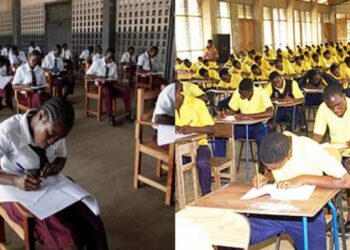
The electricity crisis also casts its ominous shadow over Sierra Leone’s education sector. In a world increasingly dependent on digital tools and connectivity, schools struggle to provide a modern and effective learning environment. Limited access to electricity impedes the use of computers, hinders the implementation of e-learning platforms, and restricts students from accessing valuable educational resources online.
Students are left in the dark, both literally and figuratively, as the electricity crisis exacerbates existing educational disparities. The lack of a consistent power supply widens the gap between urban and rural educational facilities, depriving many children of the opportunities that come with a well-rounded education.
Healthcare in Peril
The healthcare system in Sierra Leone is not immune to the electricity crisis. Hospitals and medical facilities grapple with the challenge of providing quality healthcare in an environment where power cuts are not only frequent but can be life-threatening. Life-saving medical equipment, such as ventilators and incubators, often fall victim to the unreliable power supply, putting patients at risk.
Additionally, the absence of consistent electricity disrupts vaccine storage and distribution, impacting the effectiveness of public health campaigns. Sierra Leone’s ability to respond to health emergencies is compromised, posing a threat to the overall well-being of its citizens.
Community Resilience
Despite the adversity, Sierra Leoneans exhibit remarkable resilience. Communities have devised innovative ways to cope with the electricity crisis, relying on generators, solar power, and community-driven initiatives to fill the void left by the unreliable national grid. These efforts, while commendable, underscore the urgent need for a comprehensive and sustainable solution at the national level.
Path to Recovery
Addressing Sierra Leone’s electricity crisis requires a multi-faceted approach. Investment in modernizing and expanding the energy infrastructure, coupled with the integration of renewable energy sources, could pave the way for a more reliable and sustainable power supply. International partnerships and collaborations can play a crucial role in providing the expertise and financial resources needed to implement these solutions.
Simultaneously, there is a need for effective governance and strategic planning to ensure the proper management of energy resources. Transparent policies and accountable institutions can instill confidence in investors and create an environment conducive to sustainable economic growth.
In conclusion, Sierra Leone’s electricity crisis is more than just a technical issue – it is a barrier to progress, a shackle that hinders the nation’s full potential. Urgent and decisive action is required to break free from the darkness that looms over this resilient nation. Only by addressing the electricity crisis head-on can Sierra Leone illuminate the path toward a brighter and more prosperous future for its citizens.