













































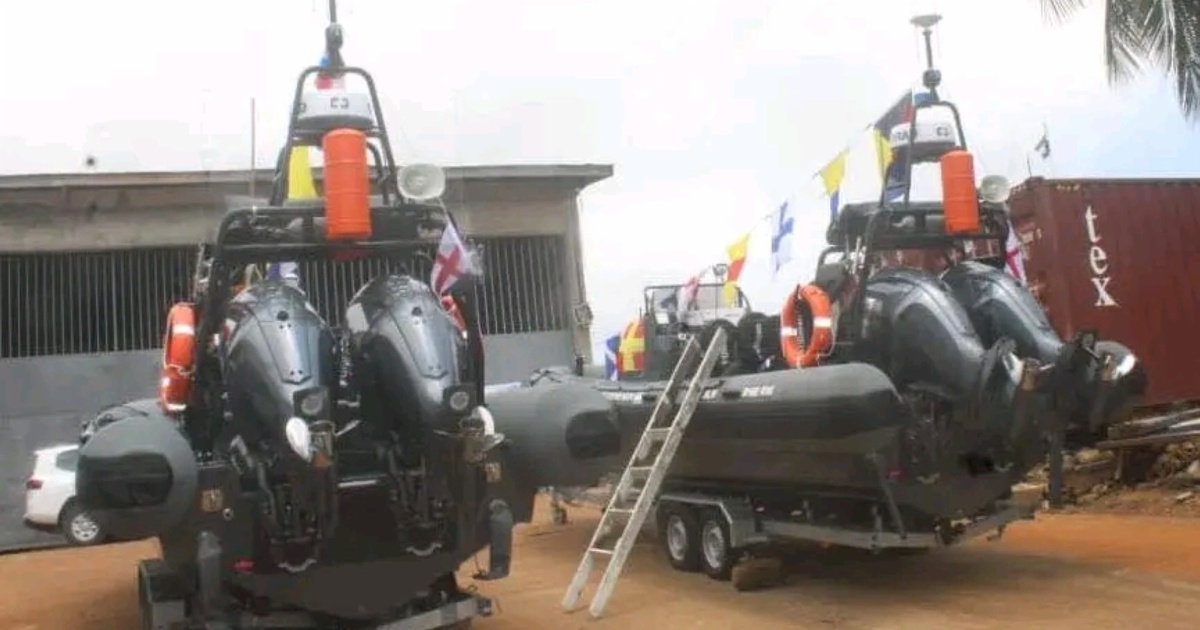
Freetown, Sierra Leone — The European Union has handed over two new Rigid Hull Inflatable Boats (RHIBs), equipped with specialized forensic kits, to the Naval Service of the Republic of Sierra Leone Armed Forces (RSLAF).
The donation, delivered on Tuesday, June 23, 2026, aims to enhance the country’s ability to monitor, patrol, and protect its territorial waters amid ongoing regional security challenges.
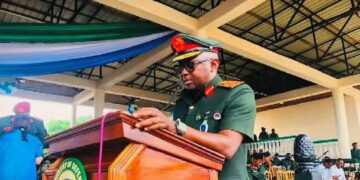
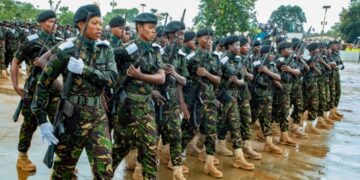
The vessels were officially transferred to Deputy Minister of Defence, Retired Colonel Muana Brima Massaquoi, during a ceremony at the Sierra Leone Navy Headquarters.
The equipment forms part of the EU’s broader Support to the West African Integrated Maritime Security (SWAIMS) project, which supports ECOWAS member states in strengthening maritime governance, law enforcement, and operational capabilities across the Gulf of Guinea.
The RHIBs are designed for rapid response, surveillance, and interdiction operations. Equipped with forensic tools, they will aid in evidence collection for prosecutions related to maritime crimes. This aligns with SWAIMS objectives, which include providing 24 such boats and forensic kits across 12 coastal West African nations (including Benin, Côte d’Ivoire, Liberia, Nigeria, Senegal, and others) to improve rule-of-law at sea.
Sierra Leone, like its neighbors, faces significant maritime threats including illegal, unreported, and unregulated (IUU) fishing, which costs the country an estimated tens of millions annually and depletes vital fish stocks, as well as piracy, armed robbery at sea, drug trafficking, and other illicit activities in the Gulf of Guinea. While piracy incidents in the region have declined in recent years due to increased patrols and international cooperation, IUU fishing and transnational crime remain pressing issues that undermine livelihoods, food security, and economic development.
The SWAIMS initiative, funded primarily through the European Development Fund and running roughly from 2018–2025 with follow-on efforts, promotes regional coordination via frameworks like the Yaoundé Architecture. Similar donations have recently gone to countries such as Liberia, where comparable high-speed RHIBs have bolstered coast guard operations.
Sierra Leone has been actively participating in multinational exercises, such as Obangame Express, to improve interoperability with partners including the United States and other ECOWAS navies.
Deputy Minister Massaquoi, who has been involved in various international defense partnerships, received the assets on behalf of the government.
The handover underscores the EU’s commitment to supporting West African nations in building sustainable maritime security capacities.
This donation is expected to immediately improve the RSLAF Naval Service’s operational reach, enabling more effective patrols and responses in Sierra Leone’s exclusive economic zone. It contributes to broader efforts to secure vital sea lanes, protect local fisheries, and foster stability in a region critical to global trade and African development.
Further capacity-building activities under SWAIMS and related programs are anticipated to complement the new equipment in the coming months.