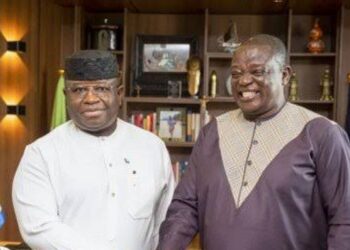












































Freetown, Sierra Leone – In a bid to uphold transparency amid ongoing debates over legislative procedures, Attorney-General and Minister of Justice Alpha Sesay has made public the official Gazette publications of the proposed Constitution of Sierra Leone (Amendment) Bill, 2025. This action comes directly in response to inquiries raised by opposition Member of Parliament Hon. Osman Abdal Timbo, highlighting a commitment to constitutional fidelity and open governance.
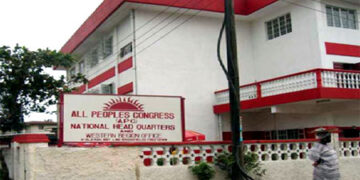
The exchange began when Hon. Timbo, a prominent figure from the All People’s Congress (APC) party, penned a letter to the Attorney-General questioning whether the Bill had been published in at least two issues of the Government Gazette prior to its introduction in Parliament, as mandated by Section 108(2)(a) of the 1991 Constitution.
Timbo shared the letter on social media, tagging the Attorney-General and sparking widespread public interest in the procedural aspects of the amendment process.
On Thursday, Sesay issued a public statement confirming that a formal reply had been sent to Timbo.
Recognizing the letter’s viral circulation online, the Attorney-General opted to release authenticated copies of the Gazette entries, sourced straight from the Government Printer, to dispel any doubts and provide verifiable evidence to the public.
“This step aligns with our dedication to accountability, especially in critical legislative matters,” Sesay noted, framing the interaction as a healthy democratic dialogue rather than conflict. He affectionately referred to Timbo as a “brother and comrade,” emphasizing unity over division.
The Constitution of Sierra Leone (Amendment) Bill, 2025, introduced amid post-2023 election tensions, proposes significant reforms to the nation’s electoral and governance framework. Key changes include shifting from constituency-based parliamentary elections to a block proportional representation system, lowering the presidential election win threshold, and introducing new mechanisms for removing a sitting President or Vice-President if they resign or are expelled from their sponsoring political party. The Bill also allows for emergency extensions of presidential terms by up to 12 months in cases like war that hinder elections, and amends sections related to citizenship, political party regulations, security sector neutrality, and greater inclusion of women and youth in politics.
These amendments arrive against a backdrop of political strain following the June 2023 general elections, where President Julius Maada Bio of the Sierra Leone People’s Party (SLPP) secured a second term amid disputes over results. The APC initially boycotted Parliament, alleging irregularities, but rejoined in October 2023 after a mediated agreement with the government, which included commitments to electoral reforms and the release of politically charged detainees. Analysts suggest the current Bill could address some of these lingering concerns, though critics worry it might consolidate executive power or alter party dynamics unfavorably.
Parliament has actively engaged stakeholders, holding consultations on January 26, 2026, and calling for additional position papers from citizens, organizations, and institutions to refine the Bill before further debate. This inclusive approach, observers say, could bolster public trust in the process, particularly as Sierra Leone navigates economic challenges and institutional reforms.
Sesay’s release of the Gazette documents is seen as a proactive measure to affirm procedural compliance, potentially easing tensions and paving the way for informed parliamentary discussions.
As the Bill progresses, it remains a focal point for lawmakers, civil society, and the public, underscoring the delicate balance between reform and adherence to democratic norms in Sierra Leone.