























Freetown — An All People’s Congress (APC) Member of Parliament has pushed back against circulating claims of bribery linked to the Constitution of Sierra Leone (Amendment) Bill, 2025, with a blunt remark that has sharpened the public debate.
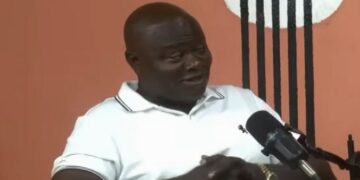
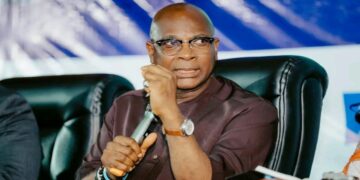
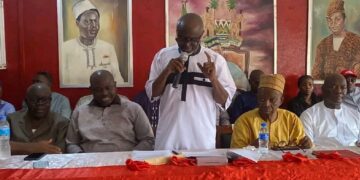
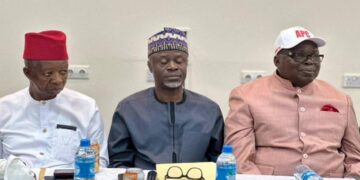
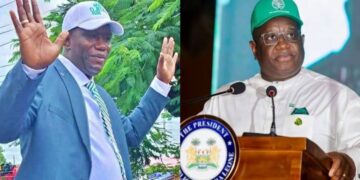
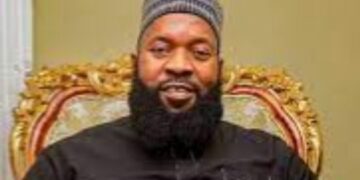
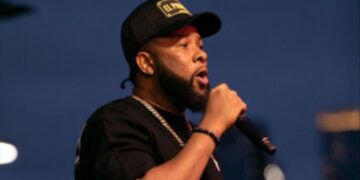
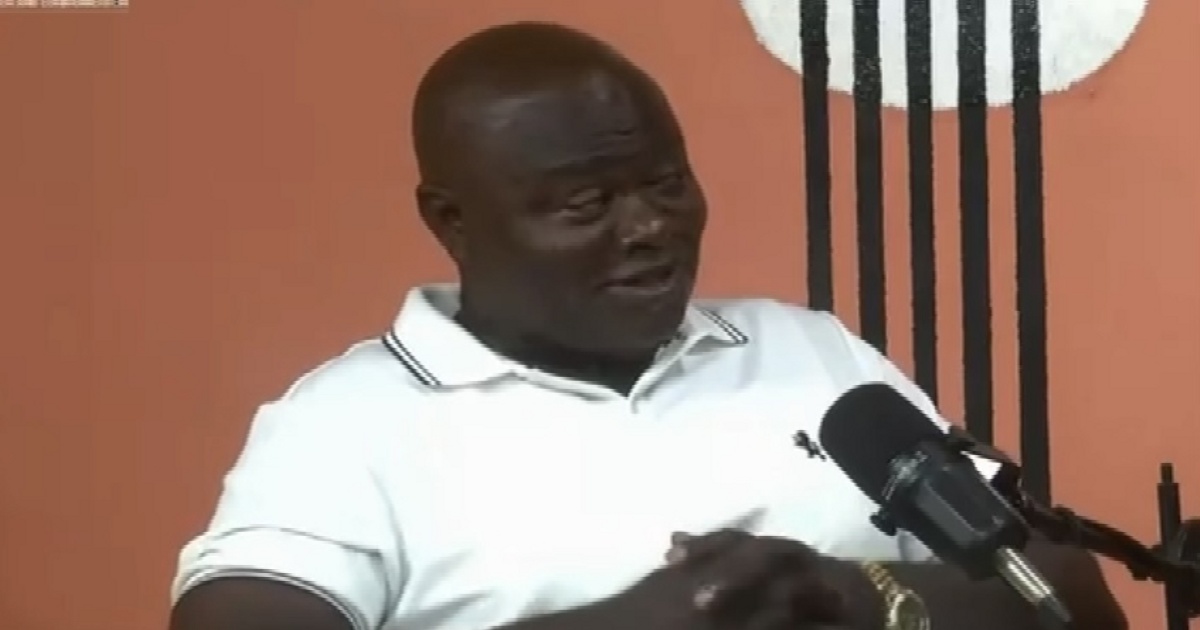
Hon. Sorieba Alhaji Turay, popularly known as Hon. Tamemkor (or Tamemkoh), the APC MP for Constituency 051 in Tane Chiefdom, Tonkolili District, said in a recent interview that if anyone had truly offered him US$100,000 and a brand-new SUV, he would have accepted it. Many interpreted the comment as a clear indication that no such offer was ever made to him or, by extension, to other opposition lawmakers.
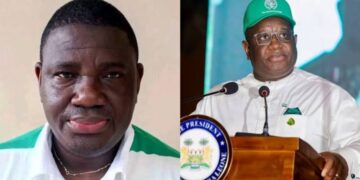
The remarks come weeks after Minority Leader and APC Parliamentary Leader Hon. Abdul Kargbo addressed the same allegations in multiple media interviews. Kargbo firmly denied that any APC MP received vehicles or cash to support the bill.
He challenged those spreading the stories to produce evidence, noted that he purchased his own vehicle in January, months before the amendment talks intensified, and stated that he never personally met President Julius Maada Bio to discuss the bill before it reached Parliament.
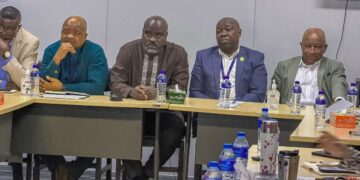
The bribery claims emerged during heated parliamentary debates in early August. On 10 August 2026, most APC MPs walked out after Speaker Segepoh Solomon Thomas ruled that the process could continue without the two-thirds majority of all 149 Members of Parliament required under Section 108 of the 1991 Constitution.
The government side was reported to have around 96 votes in favour, short of the roughly 100 needed. The opposition insisted the process was unconstitutional. Not every APC MP joined the walkout; Mohamed Bangura and Alfred Ayodele Thompson remained in the chamber.
Attorney-General and Minister of Justice Alpha Sesay has been piloting the bill, which draws on recommendations from the Justice Edmond Cowan Constitutional Review Committee and the Tripartite Committee established after the disputed 2023 elections. Among its key proposals is a reduction of the presidential election threshold from 55 percent to a simple majority (50 percent plus one), paired with a geographic-spread requirement of at least 20 percent of valid votes in two-thirds of the country’s districts. Other changes address elections, governance, the Electoral Commission, and related institutional reforms.
The process has been marked by repeated adjournments, procedural disputes, and calls for wider consultation. The Attorney-General has indicated a referendum could still be held, possibly before or alongside the 2028 elections.
Legal challenges have followed. Lawyer Melron C. Nicol-Wilson has written to the Speaker arguing that reliance on Section 91(1) (majority of members present and voting) instead of Section 108(2)(b) rendered the purported passage null and void. The Institute for Legal Research and Advocacy for Justice (ILRAJ) has also questioned the threshold applied and the sequence of referring the matter to the Supreme Court only after the Speaker declared the bill passed. The Speaker has referred the interpretation of the two-thirds requirement to the Supreme Court.
Parliament is currently on recess until October, and President Bio has summoned MPs for discussions amid the deepening row.
Hon. Turay’s straightforward comment has added fresh fuel to the public conversation. Supporters of the denials argue it demonstrates that earlier claims of successful inducements were baseless. Others note that talk of offers, as distinct from actual payments, had been linked to the opposition’s resistance.
Some are calling for clearer clarification or apology where allegations lack foundation, while others insist any claim of attempted bribery still requires independent investigation. No independent proof of specific cash or vehicle offers has been publicly produced by either side.
The episode underscores the ongoing tension between the ruling Sierra Leone People’s Party (SLPP) and the APC over constitutional reform, electoral rules, and parliamentary procedure. As of late August 2026, the amendment process remains contested, with the opposition standing firm on the need for the full two-thirds threshold and broader engagement. Sierra Leoneans continue to follow developments closely as Parliament, the courts, and political parties navigate one of the most significant legislative exercises in recent years.