
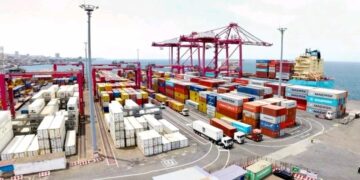

















































FREETOWN, Oct 1, 2026 — The Sierra Leone Ports and Harbours Authority (SLPHA) says it is moving to 24-hour operations, recruiting over 300 young people and extending cargo free storage period from three to seven days as part of its FY2027 reform programme.
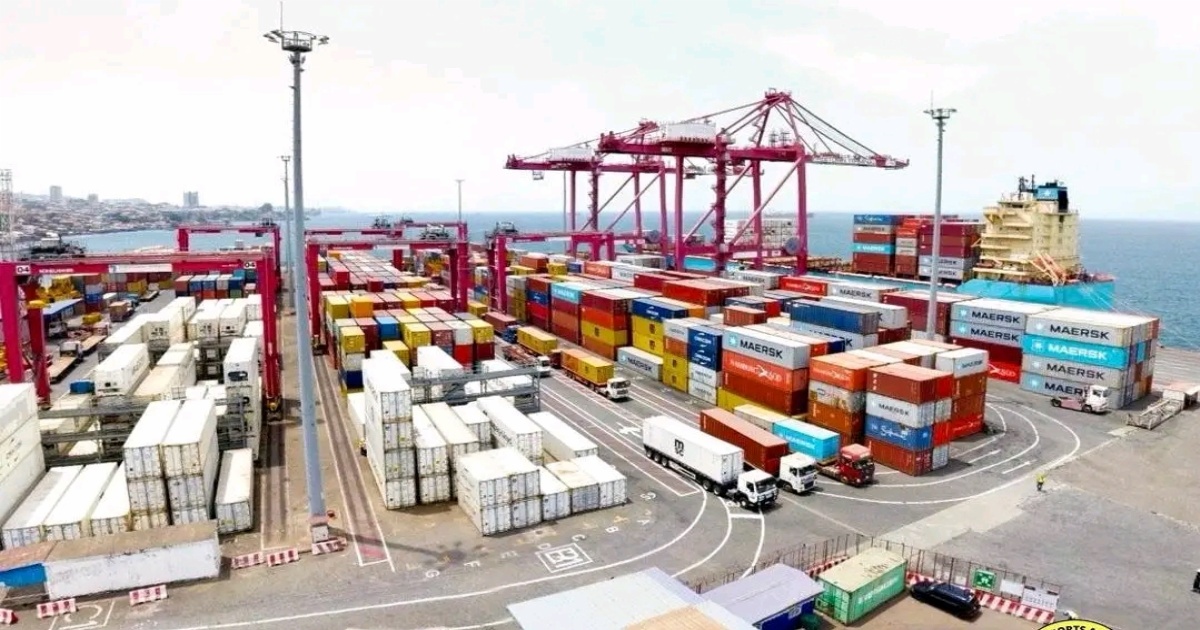
The plan was presented during the FY2027 budget hearing in Freetown by the Authority’s Financial Controller, Andrew Tamba Kpulum, who outlined measures aimed at cutting vessel delays, easing business, and making Queen Elizabeth II Quay more competitive in the region.
According to Kpulum, key port services including pilotage, berthing and cargo handling will now run round-the-clock to ensure ships are attended to without delay.
“The extended hours require our staff to provide services beyond conventional working periods. The goal is simple — vessels should not wait because the office is closed,” Kpulum told the budget committee.
For importers and clearing agents, the Authority has increased the free storage window from 3 days to 7 days. The move gives businesses more time to complete duty payments and clear goods without incurring demurrage, a long-standing complaint at the port.
On jobs, Kpulum disclosed that more than 300 youths have been recruited under the Authority’s institutional development drive. He said the recruitment is being backed by professional training partnerships with the Regional Maritime University in Ghana, the World Maritime University in Sweden, and the International Maritime Law Institute in Malta to build technical skills in piloting, port engineering, and maritime law.
The Authority also reported 87% anti-corruption compliance in 2025, which it attributed to stronger internal controls and ethics enforcement. Kpulum said SLPHA is fully up to date on statutory obligations to NASSIT and the National Revenue Authority (NRA).
Security and Paperless Port
On security, the Authority says patrols have been intensified and new CCTV surveillance is being installed for real-time monitoring of the quay, warehouses and entry points.
The bigger shift is digital. SLPHA is developing an integrated digital port system that will allow shipping lines and clearing agents to file documents, check charges and pay electronically, including via mobile money.
“This will reduce paperwork, cut physical contacts, and make every payment traceable,” Kpulum said, adding that the platform will show a full breakdown of port charges to improve transparency.
He said port operations are governed by international conventions, including SOLAS and ISPS codes, and compliance is critical to keep Sierra Leone attractive to major shipping lines.
On legal issues, Kpulum disclosed that SLPHA is currently defending three cases at the High Court but said the potential financial exposure is negligible.
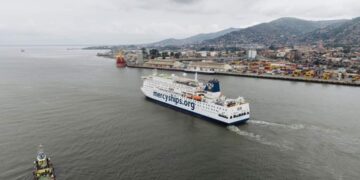
The reforms come as Sierra Leone pushes to increase trade volumes through Freetown Port, which handles over 90% of the country’s imports. Industry players have long called for faster turnaround times to reduce costs — ships currently spend an average of 2-3 days at berth, compared to less than 24 hours in more efficient regional ports like Tema.
SLPHA says the FY2027 package is designed to change that and position the port as a transshipment and trade hub for the Mano River Union.