


















































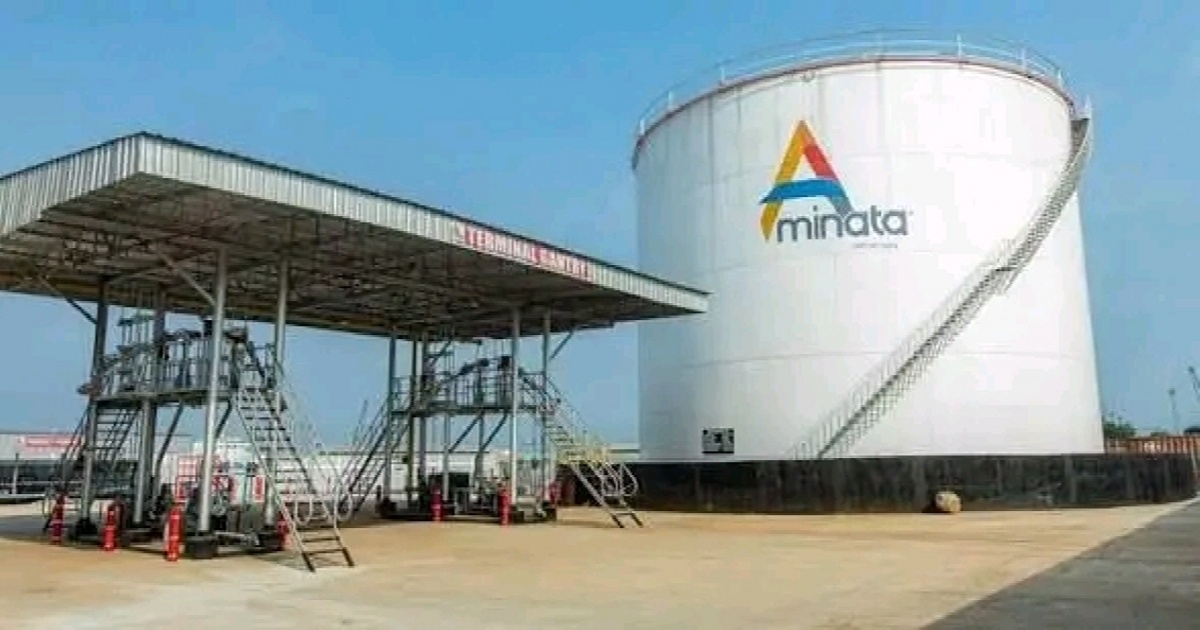
FREETOWN, Sierra Leone – A concession agreement granting Aminata & Sons (SL) Limited exclusive rights to rehabilitate, operate, and manage four petroleum storage tanks at the Kissy Terminal and surrounding port area has come under scrutiny amid concerns over transparency and the absence of parliamentary approval.
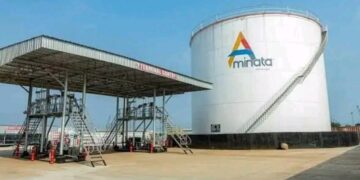
The agreement reportedly gives the petroleum importer control of two dormant storage facilities, Tank 2 with a capacity of 4,500 metric tons and Tank 8 with a capacity of 5,000 metric tons, at the Kissy petroleum terminal, in addition to two other tanks leased from the Sierra Leone Ports Authority. The company is also expected to receive rights to berth petroleum vessels and discharge fuel directly at the port.
Concerns intensified after Chairman of Parliament’s Finance Committee, Francis Amara Kai-Samba, disclosed that the agreement was never formally debated by Parliament.
According to Kai-Samba, although the concession at one stage appeared on Parliament’s order paper, it was later withdrawn before lawmakers could consider it.
“At some point in time it was on the order paper but it was withdrawn; therefore, it was never discussed,” he reportedly stated, emphasizing that agreements of such magnitude should be laid before Parliament for scrutiny.
Under the terms of the concession, Aminata & Sons is expected to finance the rehabilitation of the storage tanks, construct connecting pipelines, and assume responsibility for maintenance and security of the facilities. In return, the company is said to benefit from a package of fiscal incentives, including exemptions on imported equipment, deferred import taxes on petroleum products, and tax deductions linked to corporate social responsibility activities.
Supporters of the arrangement argue that expanding storage infrastructure could strengthen Sierra Leone’s strategic fuel reserves and help prevent supply disruptions. The country has periodically faced fuel shortages, making investment in storage and distribution infrastructure a national priority.
However, industry stakeholders have expressed concerns that the agreement could distort competition within the downstream petroleum sector. Critics argue that granting a single operator exclusive access to critical storage and berthing facilities may place smaller petroleum marketers at a disadvantage.
The debate comes at a time when Sierra Leone’s petroleum sector is undergoing significant expansion. Aminata & Sons has rapidly emerged as one of the country’s major fuel suppliers since entering the market in 2024, operating storage facilities in Cline Town and Kissy while expanding its import and distribution network.
Company officials have previously stated that investments in storage infrastructure are intended to improve fuel availability and support economic growth.
Available records also indicate that Aminata & Sons had earlier announced plans to renovate and exclusively manage Kissy Tanks 2 and 8 under agreements reached with government authorities and industry partners, suggesting that discussions surrounding the facilities date back several years.
The issue has revived broader concerns about parliamentary oversight of major concession agreements. In 2020, Parliament approved a separate petroleum concession related to the rehabilitation of storage facilities at Kissy, setting a precedent for legislative involvement in strategic energy infrastructure projects.
As debate continues, observers say Parliament may face increasing pressure to review the latest concession and determine whether the agreement aligns with legal requirements, national energy security objectives, and the principles of fair competition within Sierra Leone’s petroleum industry.