















































Freetown, Sierra Leone — May 28, 2026 — The World Food Programme (WFP) has raised serious concerns about the state of food insecurity in Sierra Leone, reporting that 78 percent of the population struggles to access adequate food, with 13 percent facing severe shortages.
The agency also highlighted that 26 percent of children under five are stunted, underscoring deep-rooted malnutrition challenges that hit rural and low-income communities hardest.
WFP’s May 2026 Country Brief notes that while there have been modest improvements since 2023, significant vulnerabilities remain. Chronic poverty affecting 54–56 percent of the population, economic fragility, persistent inflation, rising commodity prices, and frequent climate shocks continue to drive food insecurity. Limited government fiscal space has further complicated efforts to address these pressures.
Severe food insecurity has declined notably, dropping from 28 percent in 2023 to 13 percent by July 2025, according to the Food Security Monitoring System. However, the overall situation stays fragile amid external and domestic challenges.
Market Pressures and Economic Context
Rice, the country’s staple food, showed mixed price movements in early 2026. Local rice prices increased in districts such as Kailahun due to seasonal supply shortages and higher fuel costs. Imported rice rose by 5 percent in March compared to February, reflecting broader global market strains. These increases add to the burden on households already dealing with elevated inflation.
The challenges come against a backdrop of projected GDP growth of around 4–4.5 percent for 2026, supported by agriculture and services under the government’s Feed Salone initiative. However, rising global oil prices linked to conflicts in the Middle East, particularly involving Iran, are pushing up fuel and logistics costs, threatening to slow progress and deepen poverty in the short term.
WFP’s Ongoing Operations
Despite the difficulties, WFP continues to deliver critical support across multiple areas:
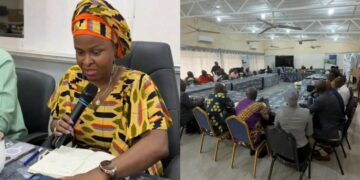
– Nutrition Initiatives: A technical inception meeting was held for the EU-funded Strengthened Agricultural Value Chain through Infant Nutrition for Growth project. The meeting brought together government officials, UN agencies, and district stakeholders to strengthen infant nutrition and food security systems.
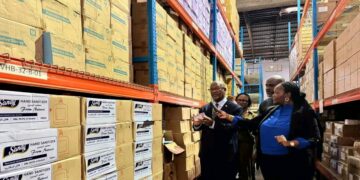
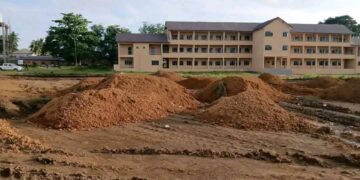
– School Feeding Programme: WFP delivered over 1,800 metric tons of rice and vegetable oil to schools, directly reaching 257,000 children. Under the OPEC-funded Reenergizing School Meals Programme, kitchens were completed in 264 schools, set to benefit around 80,000 children once energy-efficient stoves are installed. Additionally, cash transfers totaling USD 80,823 were distributed via mobile money to 87,514 children in 384 schools, enabling families to purchase fresh vegetables and improve dietary diversity.
– Resilience and Logistics: In response to rising fuel prices driven by the Iran conflict, WFP is mitigating higher logistics costs through smart contracting, greater use of its in-house fleet, and optimized transport routes.
– Community Development: Three Forest Edge Development Organizations (FEDOs) were established under the EU Nature Nourishes project, with plans for more in the coming weeks. Each organization will receive solar power, internet connectivity, laptops, motorbikes, and training to support biodiversity conservation and sustainable community livelihoods.
Funding Outlook
Under its 2026–2030 Country Strategic Plan, developed in partnership with the Sierra Leone government, WFP requires USD 148.73 million. The agency currently faces a six-month funding gap of USD 38.53 million. Major contributors include the European Union, Germany, Iceland, Ireland, Japan, Korea, the OPEC Fund, the Government of Sierra Leone, and the UN Peacebuilding Fund.
While short-term humanitarian assistance remains vital, stakeholders emphasize that long-term solutions, including stronger climate adaptation, increased agricultural productivity, and sustained investment in nutrition and education — will be essential to tackling Sierra Leone’s structural food security challenges.