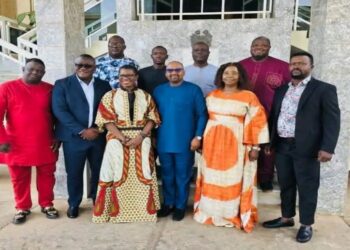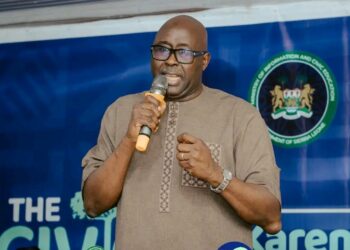






























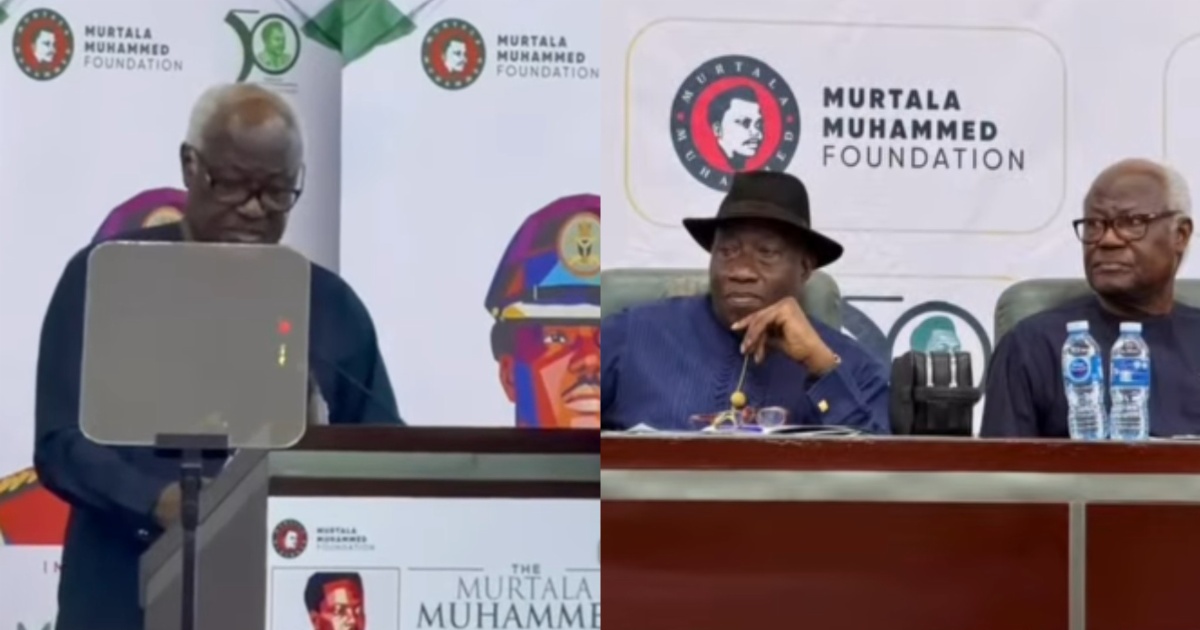
Abuja, Nigeria – In a gathering of African leaders marking the 50th anniversary of the Murtala Muhammed Memorial Lecture Series, former Sierra Leone President Ernest Bai Koroma highlighted the critical role of integrity, democratic progress, and strong institutions in shaping the continent’s future.
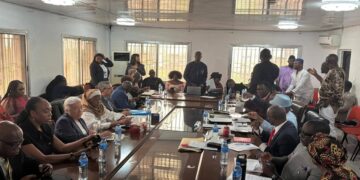
The event, held at the ECOWAS Headquarters under the theme “Has Africa Come of Age? Leadership, Discipline & Africa’s Global Influence – 50 Years After,” brought together prominent figures to reflect on Africa’s governance and global standing since the death of Nigerian leader Murtala Ramat Muhammed five decades ago.
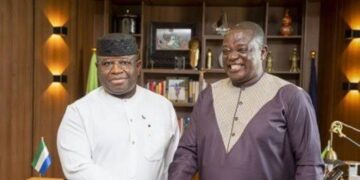
Koroma, speaking at the commemoration organized by the Murtala Muhammed Foundation under CEO Dr. Aisha Muhammed-Oyebode, stressed that true leadership endures through moral character rather than mere authority.
“Power may command obedience, but only integrity commands remembrance,” he said, underscoring the need for ethical governance.
Reflecting on Africa’s shift toward democracy, Koroma noted significant advancements: “Ballot boxes replaced bullets. Constitutions began to matter.”
He further emphasized the mindset required for sustainable leadership, stating, “A leader who plans to leave power willingly governs differently.”
The former president reinforced the event’s focus on institutional strength over individual power, declaring, “Africa’s future will not be determined by the strength of our armies, but by the strength of our institutions.”
His remarks aligned with the broader dialogue, which affirmed that Africa’s maturity relies on enduring systems rather than fleeting personalities.
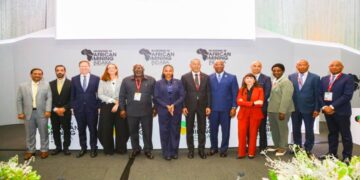
The assembly included notable attendees such as former Nigerian Presidents Olusegun Obasanjo and Goodluck Jonathan, former Ghanaian President John Agyekum Kufuor, former Malawian President Joyce Banda, former Nigerian Vice President Yemi Osinbajo, Emir of Kano Muhammadu Sanusi II, and representatives from current leaders like Nigerian President Bola Ahmed Tinubu and Angolan President João Lourenço.
Koroma’s participation was described by his office as an honor, contributing to discussions on how leadership is judged by the stability and institutions it leaves behind for future generations.
The event, tagged with themes like #AfricanLegacies and #InstitutionalIntegrity, serves as a reminder of Muhammed’s legacy in promoting pan-African unity and discipline.