
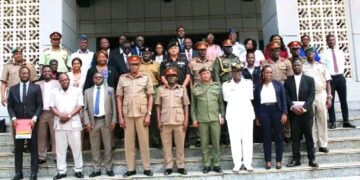





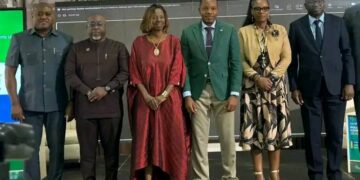





































Freetown, 9 December 2025 — Sierra Leone has taken a landmark step toward reshaping its development financing architecture with the opening of its first-ever Policy Conference on Financing for Development—a high-level national dialogue aimed at generating innovative, sustainable, and evidence-driven solutions to fund long-term national growth.
The three-day forum, held from 8–10 December in Freetown, is jointly convened by the Ministry of Planning and Economic Development (MoPED), the Ministry of Finance, and the United Nations, with support from the International Growth Centre (IGC) and other development partners. The conference is centered on the theme: “Options for Sustainable Development Financing for Sierra Leone Amidst Evolving Global Uncertainties.”
Chief Minister: Financing Critical to Delivering the Big Five Agenda
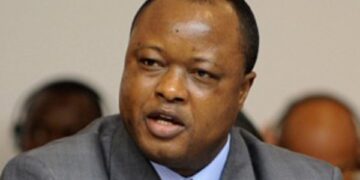
Chief Minister Dr. David Moinina Sengeh officially opened the conference, stressing that sustainable financing is indispensable for delivering President Julius Maada Bio’s Big Five Game Changers—Feed Salone, Human Capital Development, Youth Employment, Public Service Reform, and Technology & Infrastructure.
Recalling Sierra Leone’s participation in the Seville Financing for Development Conference (FfD4) earlier this year, he said the national dialogue serves as a platform to translate global commitments into domestic action. Dr. Sengeh underscored the need for stronger domestic resource mobilisation, smarter public spending, and deeper cross-sector collaboration, noting that the conference provides an opportunity to convert ideas into actionable policies that strengthen livelihoods and institutions.
MoPED Minister: Sierra Leone Needs US$2.6 Billion for Medium-Term Plan
Minister of Planning and Economic Development Dr. Kenyeh Barlay highlighted the urgency of mobilising new financing streams to implement the Medium-Term National Development Plan (2024–2030). She disclosed that Sierra Leone requires at least US$2.6 billion in additional financing over the next five years to meet national targets.
Pointing out that domestic revenue—currently around 8% of GDP—remains insufficient, she called for:
Innovative financing solutions
Stronger public financial management and accountability
Expansion of digital financial tools
Greater private sector participation
Broader access to finance for SMEs, farmers, women, and youth
UN Resident Coordinator: Global Financial Systems Must Support Vulnerable Economies
UN Resident Coordinator Seraphine Wakana praised Sierra Leone for its proactive efforts to localise the outcomes of FfD4. She drew attention to the global US$4 trillion SDG financing gap, urging the international community to pursue fairer global financial reforms and stronger multilateral partnerships to support developing countries.
She emphasized that countries like Sierra Leone are often constrained not by a lack of ambition or capacity but by structural inequities embedded in global financing systems.
Economics Association: Evidence Must Drive Financing Policies
President of the Economics Association of Sierra Leone, Dr. Samuel Bonzu, underscored the importance of research and data in crafting sustainable financing policies. He urged government, academia, civil society, and development partners to abandon siloed approaches and embrace collective action, noting that sustainable financing is a shared responsibility requiring creativity and collaboration.
Conference to Explore Broad Portfolio of Financing Options
Over the three days, participants will examine a diverse range of financing mechanisms, including:
Expanding domestic revenue and reducing fiscal leakages
Issuing green, blue, and thematic bonds
Public–private partnerships and blended finance
Diaspora bonds and remittance-backed instruments
Islamic finance (e.g., sukuk)
Climate and nature-based financing, including carbon markets
Debt-for-nature swaps, catastrophe bonds, and resilience financing
Digital finance innovations, fintech inclusion, and regulatory reforms
Strengthening the investment climate for private capital
Development Secretary: A Timely Dialogue for Fiscal Resilience
Chairing the opening ceremony, Development Secretary Ambrose James said the conference provides a timely platform to reassess Sierra Leone’s development financing options. He noted that the Government and partners convened the forum to deepen dialogue on domestic revenue mobilisation, explore practical financing solutions, and apply lessons from global discussions to bolster the country’s fiscal resilience.
Expected Outcomes
The inaugural Financing for Development Conference is expected to:
Produce a consolidated national agenda for sustainable development financing
Provide clear recommendations to expand domestic and external resources
Strengthen coordination among government, development partners, private sector, and civil society
Identify investment pathways aligned with the Big Five Game Changers
Develop a roadmap for post-Seville implementation using local evidence and global best practices
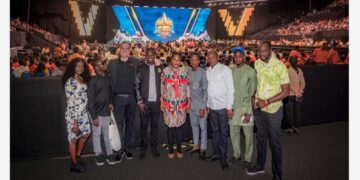
Supported by UNDP, the Economics Association, the Budget Advocacy Network, and ActionAid, the conference brings together ministers, diplomats, agency heads, researchers, financial experts, private sector leaders, and civil society representatives.
In her closing remarks, Minister Barlay reaffirmed the Government’s commitment to building a financing ecosystem rooted in accountability, innovation, and strategic partnerships, thanking President Bio, the Vice President, the Chief Minister, development partners, and all stakeholders for supporting the nation’s first Financing for Development Conference.