

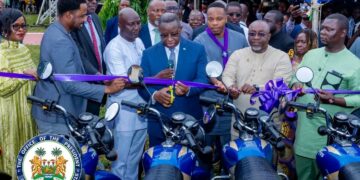

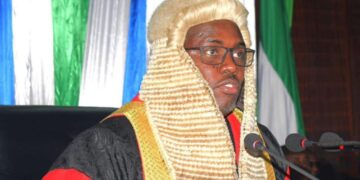
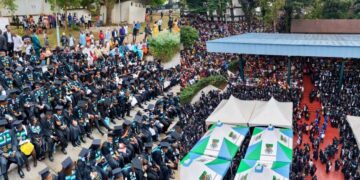
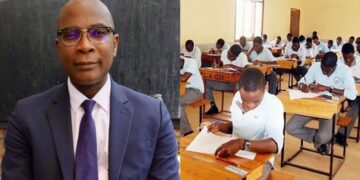
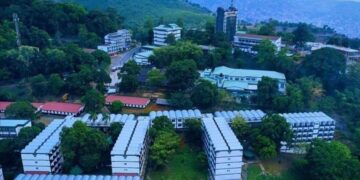
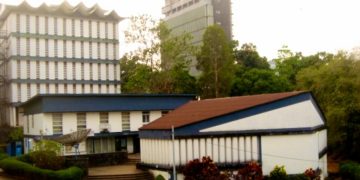





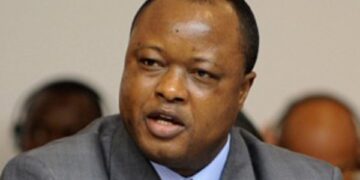



















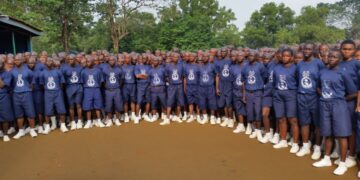
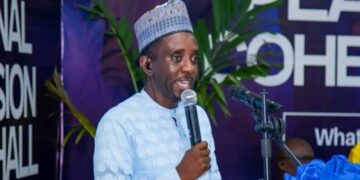


Goderich, 2 December 2025 — President Julius Maada Bio has launched a major national skills training initiative for bike riders and unveiled the 2025 Status of the Youth Report during a ceremony held at the Milton Margai Technical University Campus in Goderich.
The programme, “Empowering Youth Bike Riders as Sustainable Agents of Peace in Sierra Leone,” is funded by the United Nations Peacebuilding Fund and aims to provide alternative livelihood skills for 1,300 young bike riders across the country.
President Bio described bike riders as indispensable to everyday life in Sierra Leone, noting their reach into both rural and urban communities.
“They take people to work, school, markets and hospitals. They feed their families and connect towns and villages,” he said. “This programme shows that we have not forgotten them.”
He stressed that youth empowerment remains a central pillar of his administration, adding that the government is finalising a National Youth Development Framework to coordinate support for young people.
He encouraged beneficiaries to embrace skills training, which he described as the “starting point of national prosperity.” The same programme is currently underway in Bo, Kenema and Makeni.
Presenting the *Status of the Youth Report 2025, President Bio said the publication captures the concerns and hopes of Sierra Leonean youth. While acknowledging progress, he highlighted persistent challenges, including rising living costs, and urged policymakers to treat youth development as a national obligation.
The President also issued a stern warning about the spread of Kush and other dangerous substances, urging citizens to report traffickers.
“When you buy Kush, the dealers’ business grows and your future perishes,” he cautioned.
Vice Chancellor of Milton Margai Technical University, Prof. Philip John Kanu, welcomed the riders as official members of the institution and praised the President for elevating the university’s status and improving staff conditions.
He said the university had partnered with the Ministry of Youth Affairs to validate the short courses being offered.
UN Resident Coordinator ad interim, Fredrick Ampiah, noted that bike riders make up an estimated 5% of Sierra Leone’s population, about 1.2 million people, and described the new programme as transformative for the transport sector.
Minister of Technical and Higher Education, Dr. Haja Ramatulai Wurie, highlighted the strong collaboration between ministries, while Minister of Youth Affairs, Ibrahim Sannoh, said all future youth training projects will be TVET-based and hosted at accredited institutions such as Milton Margai.
He revealed that bike riders’ offices in Bo, Kenema, Makeni and Freetown are currently being renovated and that new motorbikes have been procured under the project.
World Bank Country Manager, Abdu Muwonge, commended the initiative as an important investment in human capital, reminding riders that “a job is about dignity, not only a paycheck.”
President of the Bike Riders Union, Ishmael Sandy, traced the origins of commercial bike riding in Sierra Leone to 1996, when ex-combatants turned to riding as a peaceful alternative to conflict.
He praised the government for its renewed investment, saying the sector has seen “remarkable transformation” under President Bio.
The launch of the Alternative Livelihoods Training for Youth Bike Riders for Peace and the Youth Status Report 2025 marks a significant step in the country’s efforts to empower young people and strengthen national peacebuilding. With government ministries, development partners and the Bike Riders Union working together, thousands of riders are expected to gain new opportunities for dignified and sustainable livelihoods.
President Bio reaffirmed that Sierra Leone’s most valuable asset is its people, noting that continued investment in human capital will determine the country’s next chapter of growth and stability.