

















































Freetown, Sierra Leone — July 6, 2026 – The Governments of Sierra Leone and Guinea have reopened the strategic Yenga border crossing, ending a closure that lasted more than a year and caused significant humanitarian and economic hardship for border communities.
According to an official public notice issued today by Sierra Leone’s Ministry of Information and Civic Education, the border at Yenga village along the Makona River officially reopened on 24 June 2026. The crossing point is located at Koindu-Nongoa in Kissi Teng Chiefdom, Kailahun District.
The border had been closed since 28 April 2025, severely disrupting cross-border trade, movement of people, and local livelihoods. The prolonged shutdown led to the displacement of residents from Yenga to Koindu and surrounding areas, creating economic difficulties for communities that rely on cross-border activities.
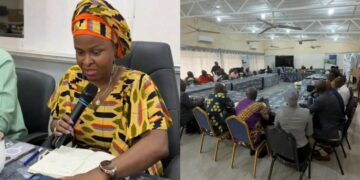
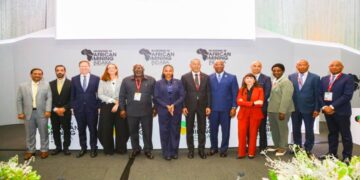
The reopening follows sustained diplomatic engagements between the two neighboring West African nations. Sierra Leone’s government provided support to affected residents during the closure period while pursuing high-level talks.
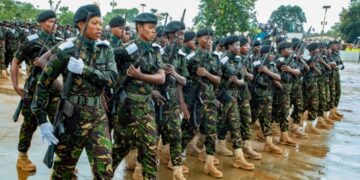
The process was guided by directives from His Excellency President Dr. Julius Maada Bio and involved coordination between the Republic of Sierra Leone Armed Forces and the Guinean Armed Forces, alongside political and administrative authorities from both countries.
As part of the new arrangements:
– The Sierra Leone National Revenue Authority will continue to collect revenue on Sierra Leonean territory, including in the Yenga area.
– The Sierra Leone Immigration Department will maintain its presence at the border.
– Guinea has agreed to provide Sierra Leone with at least 48 hours’ notice before any future border closure.
The two governments reaffirmed their commitment to peaceful coexistence, strengthened bilateral relations, and continued dialogue aimed at resolving the longstanding Yenga boundary issue and other related matters. Discussions on the safe return of displaced Yenga residents are currently ongoing.
The reopening is expected to restore economic activity, facilitate the movement of goods and people, and ease humanitarian pressures on affected communities in the Kailahun District and across the border in Guinea.
This development marks a positive step in Sierra Leone-Guinea relations and highlights the importance of diplomatic solutions to border disputes in the Mano River Union region.