





































A United States federal court has struck down a Trump administration policy that suspended immigrant visa processing for nationals of 75 countries, including Sierra Leone, offering significant relief to Sierra Leonean applicants whose cases were frozen or refused solely because of their nationality.
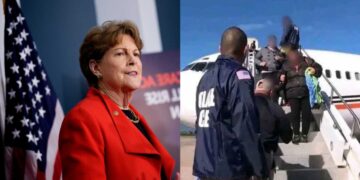
On 21 August 2026, U.S. District Judge Jeannette A. Vargas in Manhattan ruled that the January 2026 policy was “patently unlawful.” She found that Secretary of State Marco Rubio exceeded his authority and violated the Immigration and Nationality Act by imposing a blanket ban based on nationality rather than allowing individual assessment of each applicant.
The policy, which took effect on 21 January 2026, directed U.S. consular officers worldwide to refuse immigrant visas to people from the listed countries. Officials justified the move by claiming nationals of those countries posed a high risk of becoming “public charges” — meaning they were more likely to rely on American public benefits. Sierra Leone was among the 75 nations affected, alongside several other African countries.
The court vacated the entire policy and ordered the State Department to set aside previous visa refusals that were based solely on the nationality ban. Consular officers must now return to evaluating applications on a case-by-case basis, considering each person’s individual circumstances such as finances, health, skills, and family ties.
The lawsuit, known as *CLINIC v. Rubio*, was brought by immigration advocacy groups including the Catholic Legal Immigration Network (CLINIC) and African Communities Together, along with individual applicants and U.S. citizens sponsoring relatives.
What this means for Sierra Leoneans
For many Sierra Leoneans seeking to join family members in the United States, pursue employment-based permanent residency, or complete other immigrant visa processes, the ruling removes a major barrier that had halted progress for months. Applicants who received refusals under the policy (often under section 221(g)) can now expect their cases to be reviewed under normal procedures.
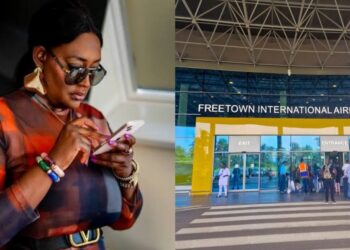
However, the decision does not guarantee that any particular visa will be approved. Applicants must still meet all standard eligibility requirements. In addition, other restrictions may continue to apply. Sierra Leone remains subject to broader measures under Presidential Proclamation 10998, and routine visa processing has been shifted from the U.S. Embassy in Freetown to regional hubs such as Monrovia since 1 August 2026.
The U.S. government may still appeal the ruling. Affected individuals are advised to monitor official updates from the U.S. Embassy and the National Visa Center, and to consult a qualified immigration lawyer for guidance on their specific cases.
The court’s decision reaffirms that immigrant visa applicants must be judged on their individual merits, not their country of origin, a principle that brings renewed hope to Sierra Leonean families separated by the now-overturned policy.